

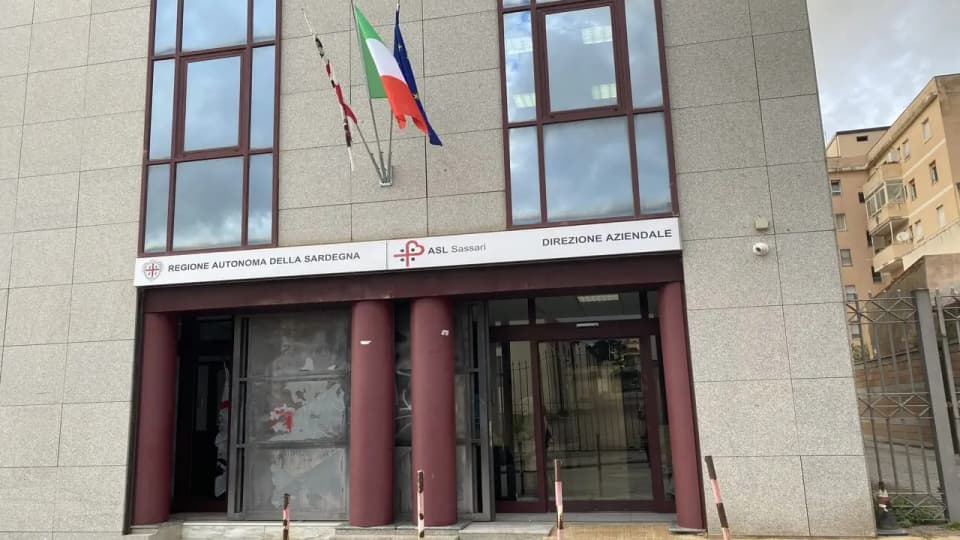
The draft 2025 budget of Asl di Sassari records a loss of 50.57 million euros. The figure emerges from the resolution approved on November 10 by the company’s general management and sent to the Region for prior review.
The deficit has more than tripled compared with 15.55 million in 2024. Over the same period, both the value of production, which reached around 737 million euros, and production costs, which rose to 777.46 million, increased by around 44 million compared with the previous year.
Healthcare services and staff: expenditure items on the rise
Among the factors affecting the accounts is the purchase of healthcare services, whose cost rose from around 428 to 453 million euros. The increase includes services purchased from accredited private facilities and those provided to Asl patients by other healthcare companies.
According to the account reported by the press, the company also links its reliance on external services to staff shortages and the need to ensure care and keep waiting lists under control. Management attributes the deficit mainly to structural causes.
Some of the expenditure relates to so-called passive healthcare mobility, which does not necessarily mean that care was received outside the city. In Sassari, Santissima Annunziata Hospital and the San Pietro Clinics are part of the University Hospital Company, a separate entity from the Asl: services provided by the Aou to Asl patients are therefore recorded as services purchased from another healthcare company.
Spending on employees also increased, rising from around 144 to 154 million euros. The increase is also linked to the renewal of the employment contract. In September 2026, in a separate development from the 2025 accounts, the Asl and the unions reached a preliminary agreement on healthcare staff allowances.
Costs exceed forecasts
The management report compares the 2025 final accounts with the budget forecast. Production costs exceeded forecasts by around 110.1 million euros, while the value of production was around 57.6 million higher than expected.
The company identifies higher spending on services and staff, as well as purchases of goods, maintenance and other items, among the factors behind the increase in costs. The difference between the value of production and production costs does not, by itself, correspond to the final result: the accounts also include other components, including taxes and extraordinary items.
The November resolution approves the draft budget and provides for it to be sent to the Region for prior review and to the Board of Auditors for its opinion.