

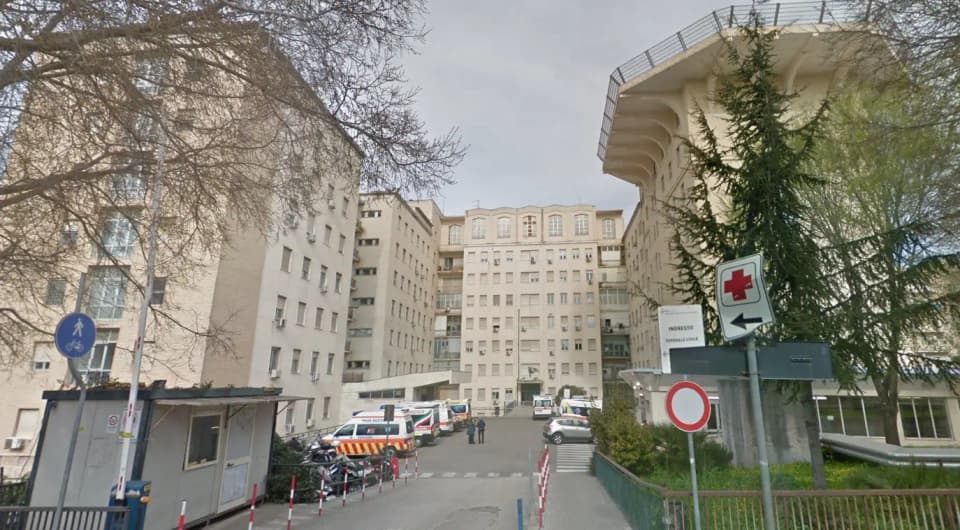
The Cisl Fp Sassari is denouncing overcrowding in the AOU’s Internal Medicine department: as of October 5, there are 36 patients, eight of whom are being cared for on stretchers in the corridors of Santissima Annunziata. The union also reports staff shortages and is calling on hospital management and the regional government to take action on staffing levels, space and bed management.
According to the union’s account, 28 people are admitted to beds in the department, while another eight are being cared for in the corridors. Four patients are receiving high-flow oxygen therapy, others need non-invasive ventilation, and one is in isolation. Cisl also reports that two more critically ill patients are expected to arrive, and may need temporary accommodation in a corridor.
The nursing staff roster cited by the union consists of three nurses in the morning, three in the afternoon and two at night. Cisl says the pressure is not limited to Internal Medicine but also affects other units, and rejects the suggestion that the situation is a hangover from the summer emergency: according to the organization, the crisis is now structural. The complaint comes amid reports of overcrowded wards elsewhere in the city.
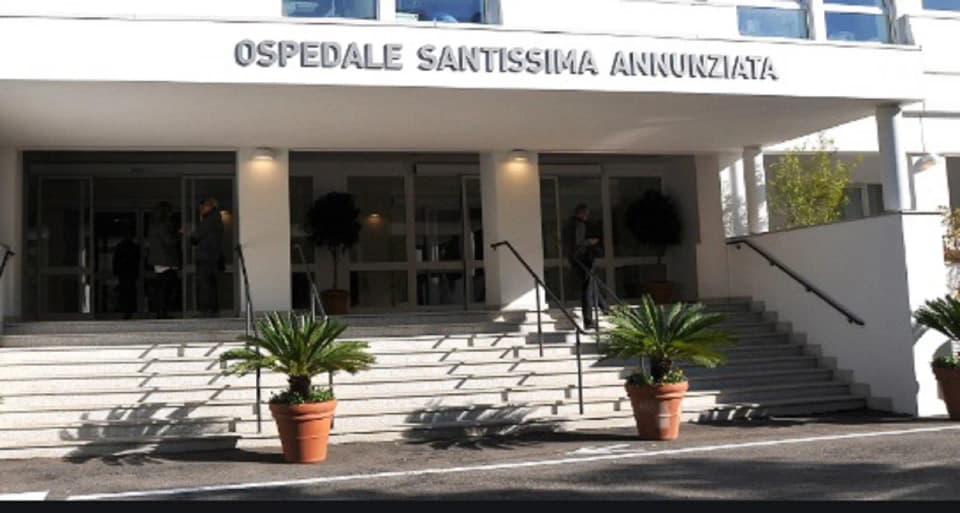
To support its call for increased staffing, Cisl estimates that an immediate increase of 40–50 nurses, 25–30 healthcare assistants and 15 radiology technicians would be needed to ensure greater continuity of essential services and reduce workloads. To provide stability for hospital operations, the union says staffing needs would rise to 60–65 nurses, 40–45 healthcare assistants and at least 30–40 radiology technicians.
The statement is signed by Antonio Monni, general secretary, and Gianmario Sardu, local secretary of Cisl Fp Sassari. They are calling for more staff and suitable care spaces, as well as an urgent review of safety conditions and care workloads. The measures they are seeking also include an operational plan for supported discharges, continuity between hospital and community care, and more effective bed management.
The union also links the care-related problems to the risk of tensions and assaults against staff: crowded wards, limited space and waiting times can increase pressure, although this does not justify acts of violence. Monni and Sardu describe the situation as “beyond all limits” and warn that “providing care in corridors cannot become the organizational model for public healthcare in Sassari”.
A previous case was reported in August: in an article published on August 20, La Nuova Sardegna reported 21 patients in beds in the Internal Medicine department and another ten on stretchers. Cisl had already disputed at the time that the pressure on the department could be attributed solely to a seasonal peak.