

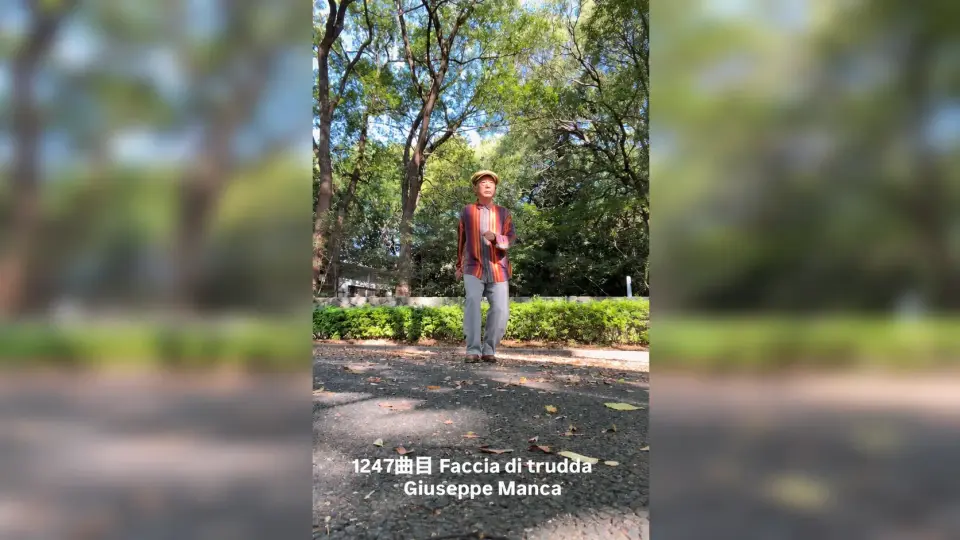
After “Gambale Twist”, it’s the turn of “Faccia di trudda” by Giuseppe Manca. Toru Utsumi, the Japanese dancer known on social media as @tohru_dance, is crossing paths with the island’s music once again: in the featured reel, the Sassarese song accompanies one of his performances—the kind that have made him known far beyond Japan’s borders.
For Sassari audiences, the soundtrack is instantly recognisable. It’s a song associated with celebrations, the city’s cionfra and the memories of Dinamo fans, and it has now become a meeting point with a personality followed around the world.
Who is Toru Utsumi, the “salaryman” who dances on social media
Sixty years old, dressed for work and passionate about dance alongside his profession: Toru Utsumi is a Japanese business consultant. The image of the “salaryman”—the employee in a suit and tie—has become his trademark in his videos, too.
There’s a learning journey behind those moves. In an interview published by Tokyo Weekender in July 2025, Utsumi said he began taking dance classes at 52 years old, returning to a passion that had taken him to discos and clubs when he was young.
He studies locking, but leaves room for improvisation in his videos. His musical choices also grow out of his relationship with his followers: in the same interview, he explained that the songs came from audience requests. His repertoire spans a wide range of genres, including Italian songs and folk music.
The earlier “Gambale Twist” video
His connection with Sardinia already had a chapter in December 2025, when island news outlets picked up his dance to “Gambale Twist” by Benito Urgu’s Barrittas.
This time, the reference is entirely Sassarese. “Faccia di trudda” brings a playful and irreverent song, deeply rooted in the city’s musical culture, into Toru’s repertoire.
Giuseppe Manca and the song that became a Dinamo symbol
The author and performer of “Faccia di trudda”, Giuseppe Manca is one of the historic names of Sassarese folk, with a career that took him from the group La Cumpagnia to a solo career.
The song found a second home at the PalaSerradimigni, where it became an unofficial anthem for Dinamo fans and one of the soundtracks to the 2015 championship win.
With @tohru_dance’s dance, that same song enters a different circuit: the short videos of a Japanese creator, where viewers’ requests bring together dance, languages and musical repertoires from far-flung places.