
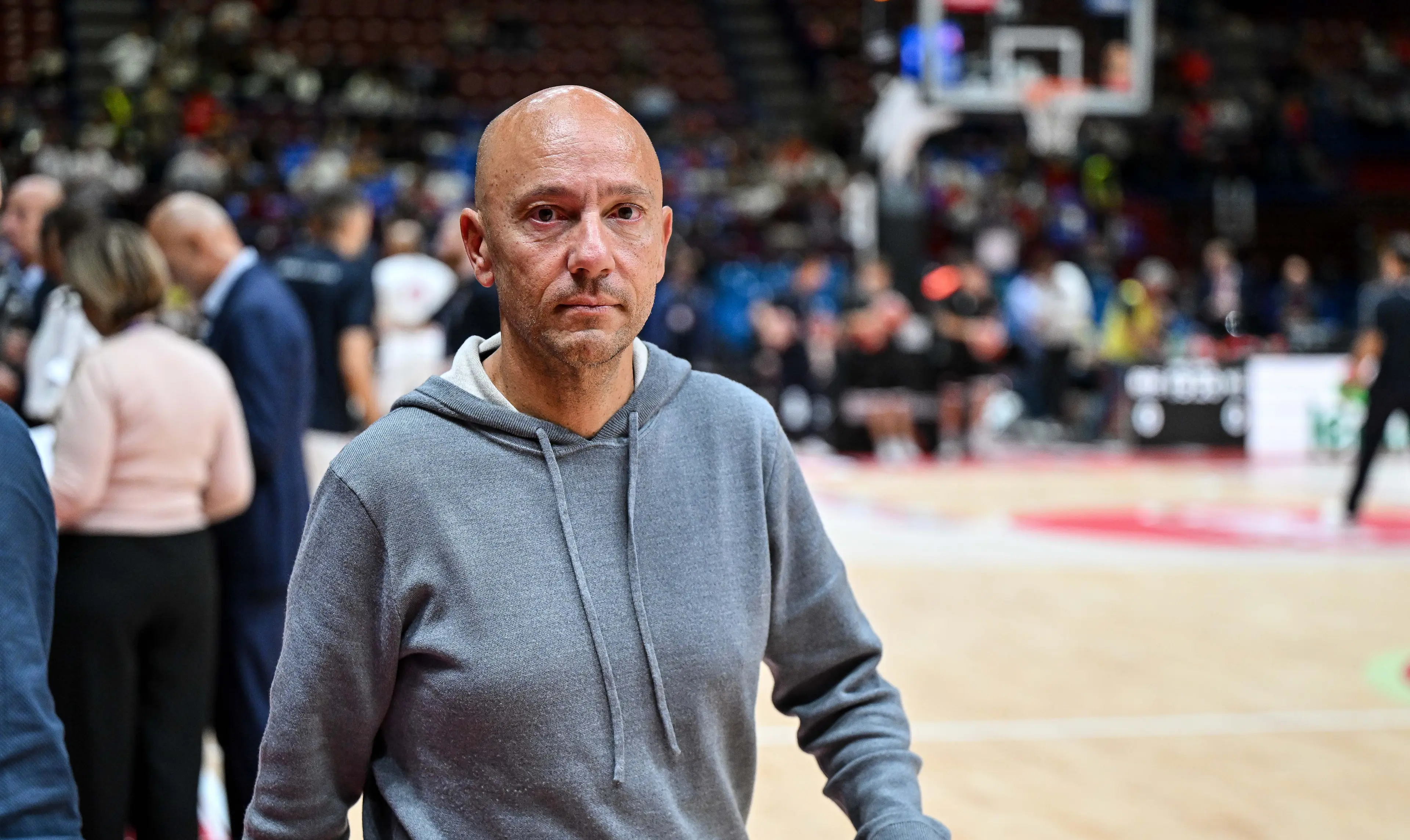
Stefano Sardara speaks exclusively about Dinamo Sassari’s relegation, the fresh start in Serie A2, the appointment of Luca Vitali and the club’s relationship with the city.
From the pain of relegation to the rebuilding process, through the appointment of Luca Vitali, a new locker room and the bond with Sassari. Stefano Sardara, president of Dinamo Banco di Sardegna, speaks exclusively to Il Sassarese Medio on the eve of the 2026/27 Serie A2 season, addressing even the most difficult issues from the past year.
The starting point can only be the present. After a preseason disrupted by absences and physical problems, the new Dinamo are preparing for their return to Serie A2, a competition the Sassari club had not played in for sixteen years. Their season opener is scheduled for Sunday, September 27, away to Urania Milano.
Sardara, however, is already looking beyond the opening game, immediately choosing a metaphor to describe the journey that lies ahead.
“This is a marathon. We need to be ready at the finish, rather than trying to come flying out of the blocks.”
Interestingly, it is a view that closely reflects what Luca Vitali himself said in recent weeks when discussing the long Serie A2 season.
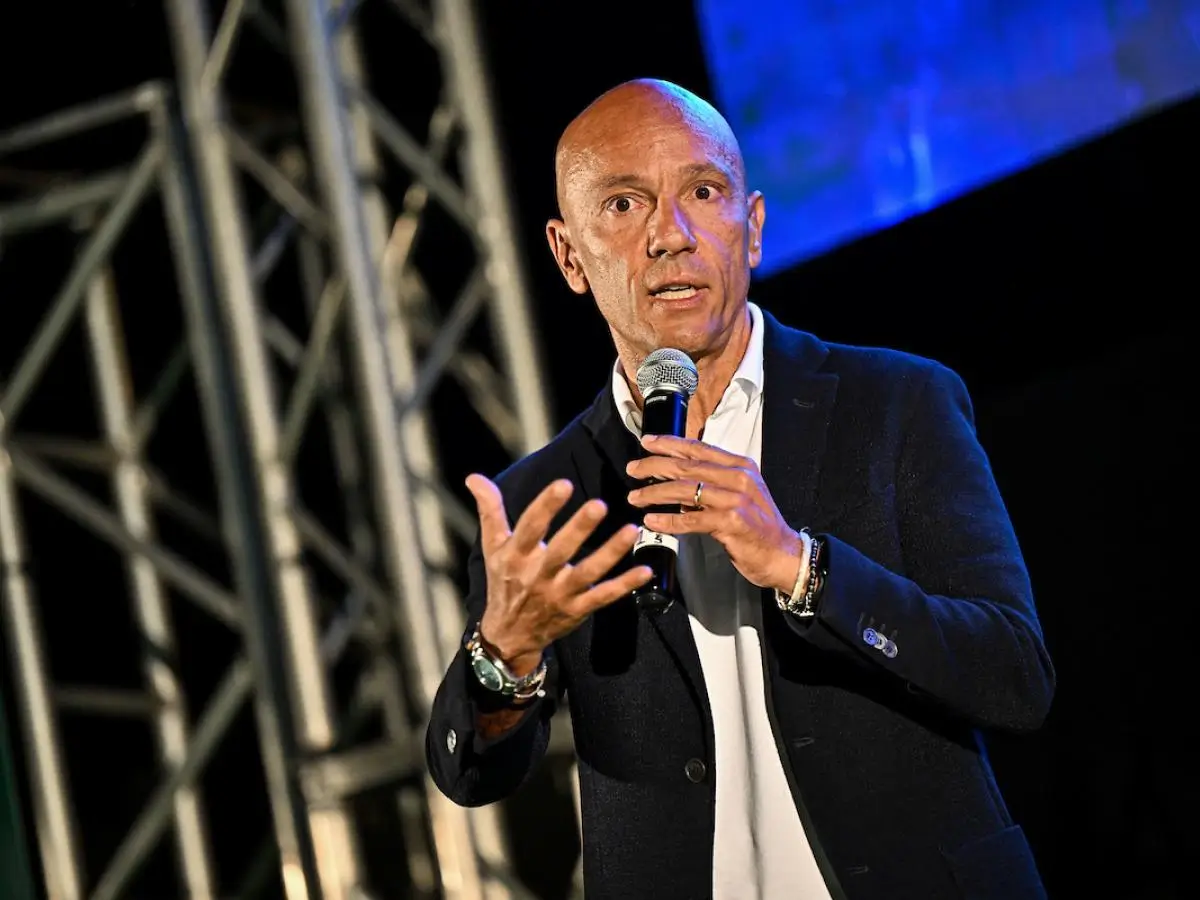
Sardara on relegation: “It was the consequence, not the cause”
Relegation inevitably remains at the heart of the conversation. Dinamo dropped out of Serie A at the end of the 2025/26 season, following sixteen consecutive campaigns in the top flight. Their relegation was mathematically confirmed on May 3 at the PalaSerradimigni, with a 73-80 defeat to Virtus Bologna.
For Sardara, however, focusing solely on the sporting result would mean stopping at the surface.
“Relegation was the consequence of what was missing inside the team,” the president explains.
His assessment of the final part of the season is particularly severe. Sardara describes a group that, in his view, had gradually lost motivation, a sense of belonging and the willingness to make sacrifices.
“We had people who had come here for the money. Players who wanted to go back to the United States, some of whom were perhaps even worried about making the playoffs because it would have meant extending their stay in Sassari. It was an unhealthy environment, and things got even worse towards the end of the season.”
Those words are consistent with the interpretation the president had already offered publicly after relegation. Last May, Sardara acknowledged mistakes in the construction of the roster and accepted the club’s share of responsibility, while also expressing disappointment at the team’s lack of character.
In the interview, however, the president goes further. The fall into A2 becomes the starting point for what amounts to a genuine cultural rebuild at Dinamo.
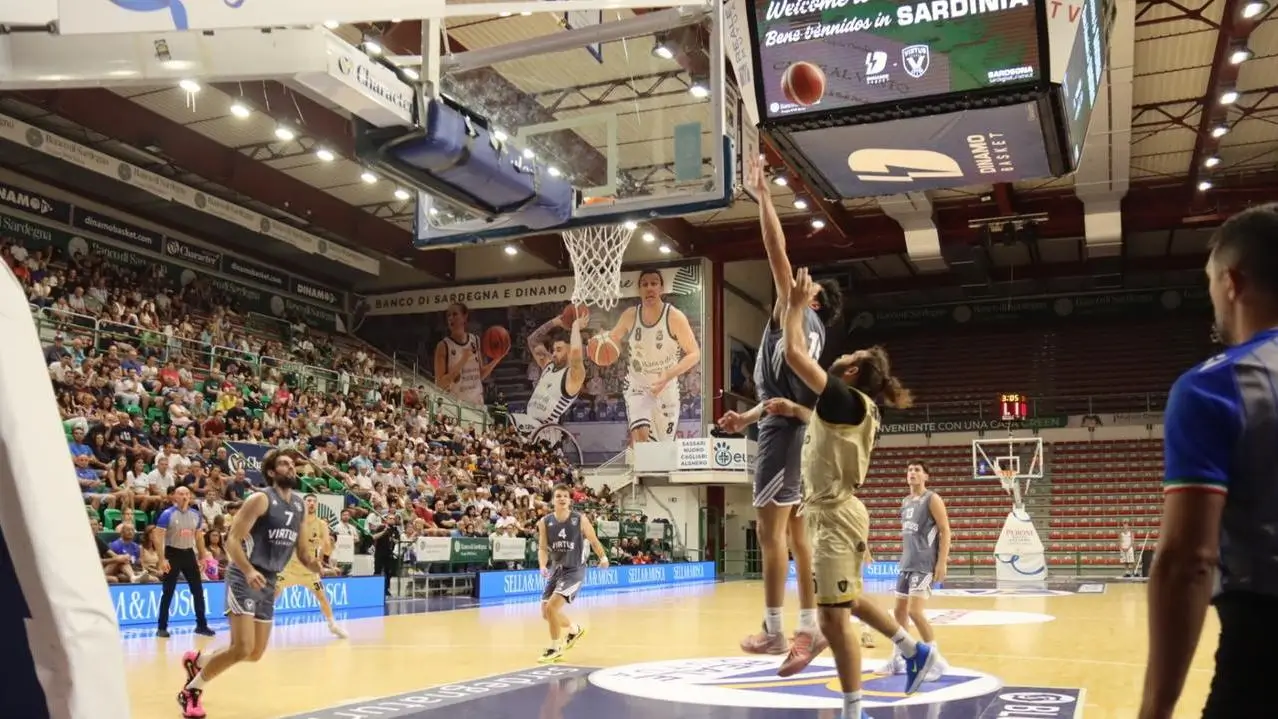
“Only people who see Dinamo as a great opportunity should be here”
The same idea comes up repeatedly: rebuilding cannot simply mean changing the players. The entire environment has to be rebuilt.
“I’m no longer prepared to settle. We are going back to what we used to be. At every level, from communications to ticketing, from the caretaker to the players and the coach, the only people who should be here are those who see this as a great opportunity and who feel connected to the local area and to Dinamo’s philosophy.”
Sardara describes the summer of 2026 as a selection process based first on character and only then on technical ability.
“They could even be the best players in the world. If they don’t have those qualities, we’re not interested.”
It is one of the central themes of the interview. The new Dinamo Sassari is being built around a principle of belonging that the president considers non-negotiable, and which also helps explain some of the club’s decisions in the transfer market.
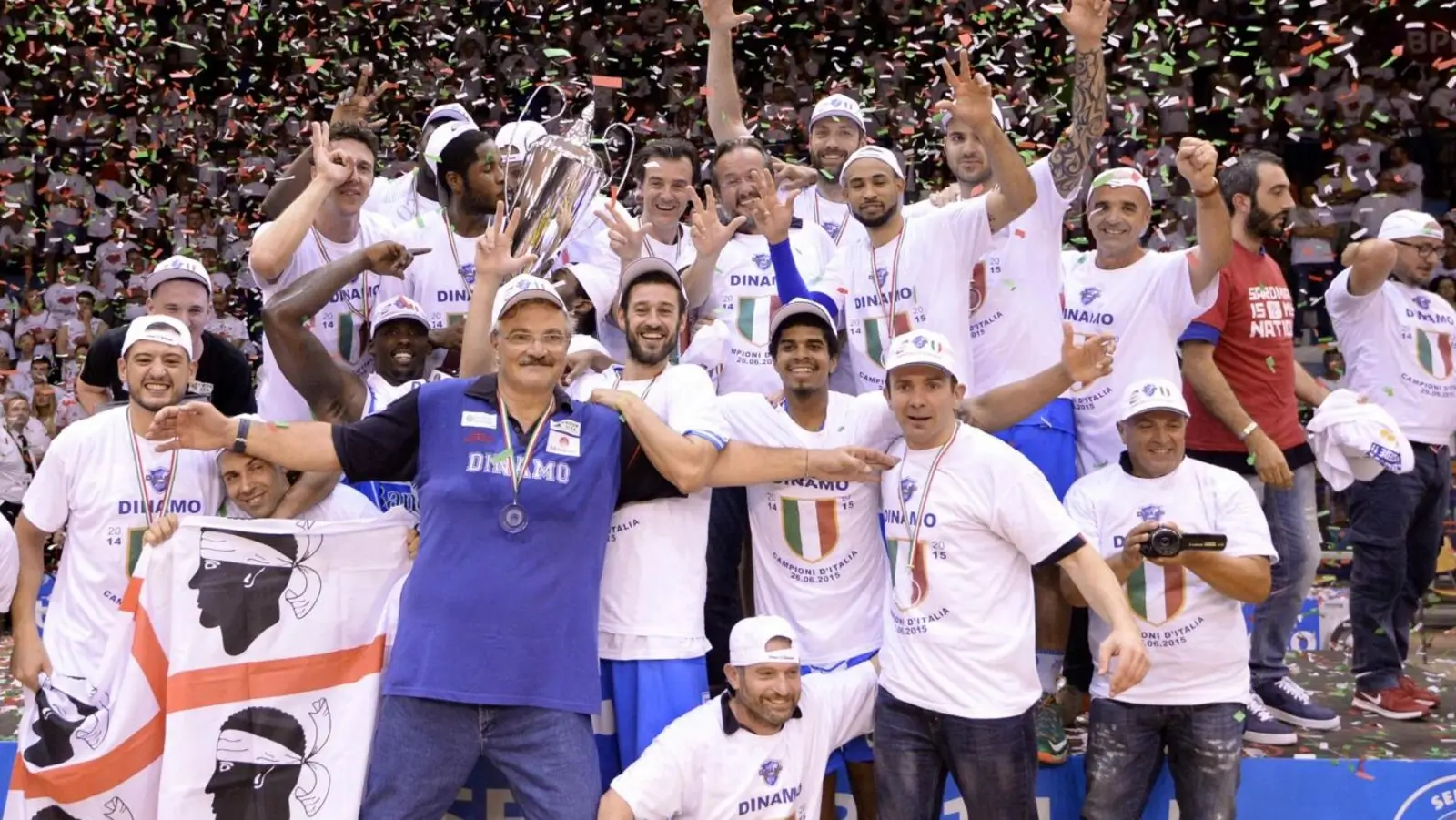
Jeff Brooks, one of the key players in the historic 2015 treble, returned to Sassari eleven years later and was appointed captain. Michele Vitali, who previously wore the blue-and-white jersey during the 2019/20 season, is vice-captain. The club has explicitly presented both returns as sources of experience, leadership and identity.
This direction had already emerged during the presentation of the club’s new chapter, when reconnecting Dinamo with its supporters and the local community was identified as one of the main priorities for the season.
Sardara: “Maybe relegation was a necessary evil”
That leads to one of the president’s clearest reflections.
“I would have preferred to avoid it, but maybe it was a necessary evil.”
Sardara links that idea to the club’s recent history. For years, Dinamo steadily raised expectations, to the point where results that would once have been considered exceptional gradually came to be seen as almost ordinary.
The numbers help explain why. The club’s official trophy cabinet contains six titles: two Italian Cups, two Italian Super Cups, one Italian Championship and one FIBA Europe Cup.
“Without really realising it, I think all of us became a little too full of ourselves. You have a season where you finish just outside the playoffs and suddenly it’s not good enough, criticism starts and the whole atmosphere becomes toxic.”
In Sardara’s view, relegation could therefore also become a way to realign expectations, identity and a sense of belonging.
“We need to understand who we are and where we want to go.”
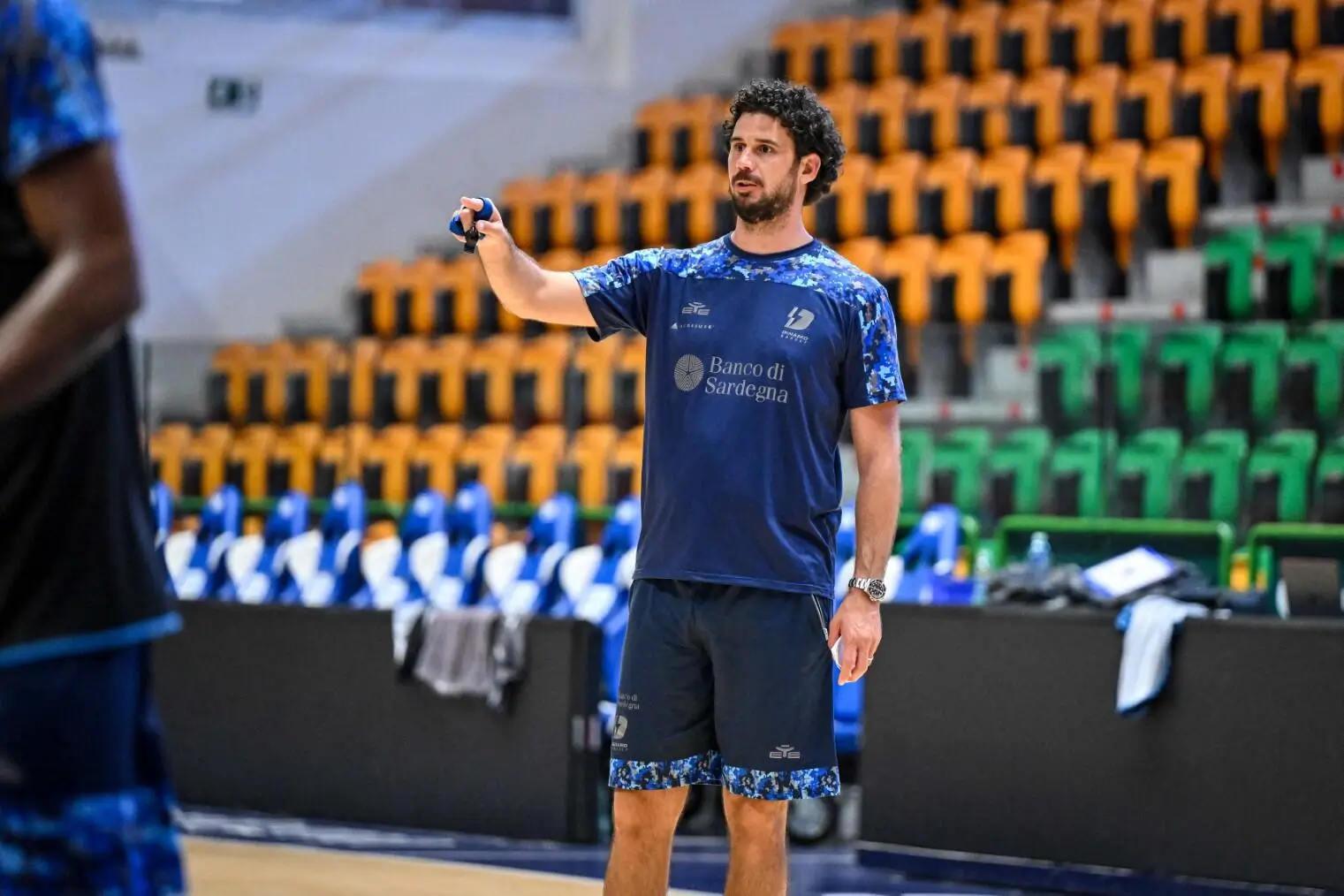
Luca Vitali, Sardara’s gamble: “I don’t need to see how he’ll handle himself on the court”
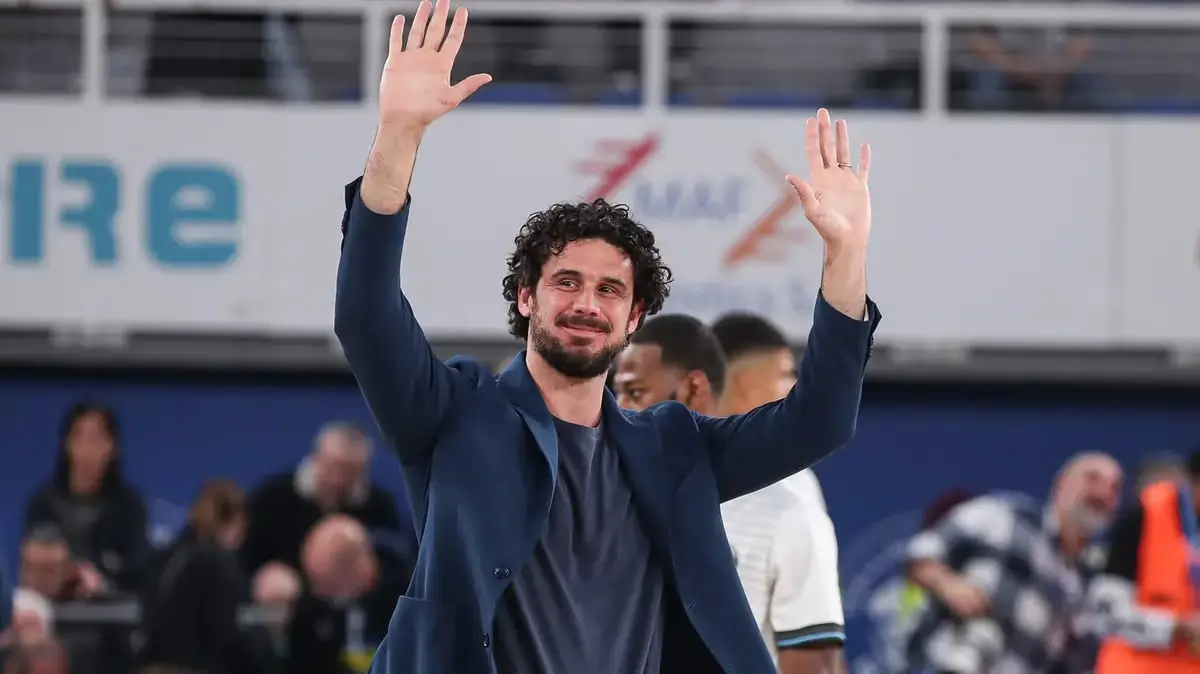
A major part of this new chapter inevitably revolves around Luca Vitali, chosen by the club to lead the team in his first experience as a head coach.
The former point guard, who made 149 appearances for the Italian national team, ended his playing career in 2024 and worked as an assistant coach at Vanoli Cremona last season. His appointment at Dinamo officially marks his first role as a head coach.
For Sardara, however, that lack of head-coaching experience is not a decisive obstacle.
“These are the same qualities I had seen in Peppe Poeta. There are players who develop and mature a different set of professional skills which, when combined with their knowledge of basketball, make everything much easier.”
The president says he watches Vitali during training and sees a natural presence that comes directly from his long career on the court.
“I don’t need to see how Vitali will handle himself on the court. His presence on the court is perfect. Why? Because he grew up there and spent his life there.”
But in Sardara’s view, the most important aspect is something else entirely.
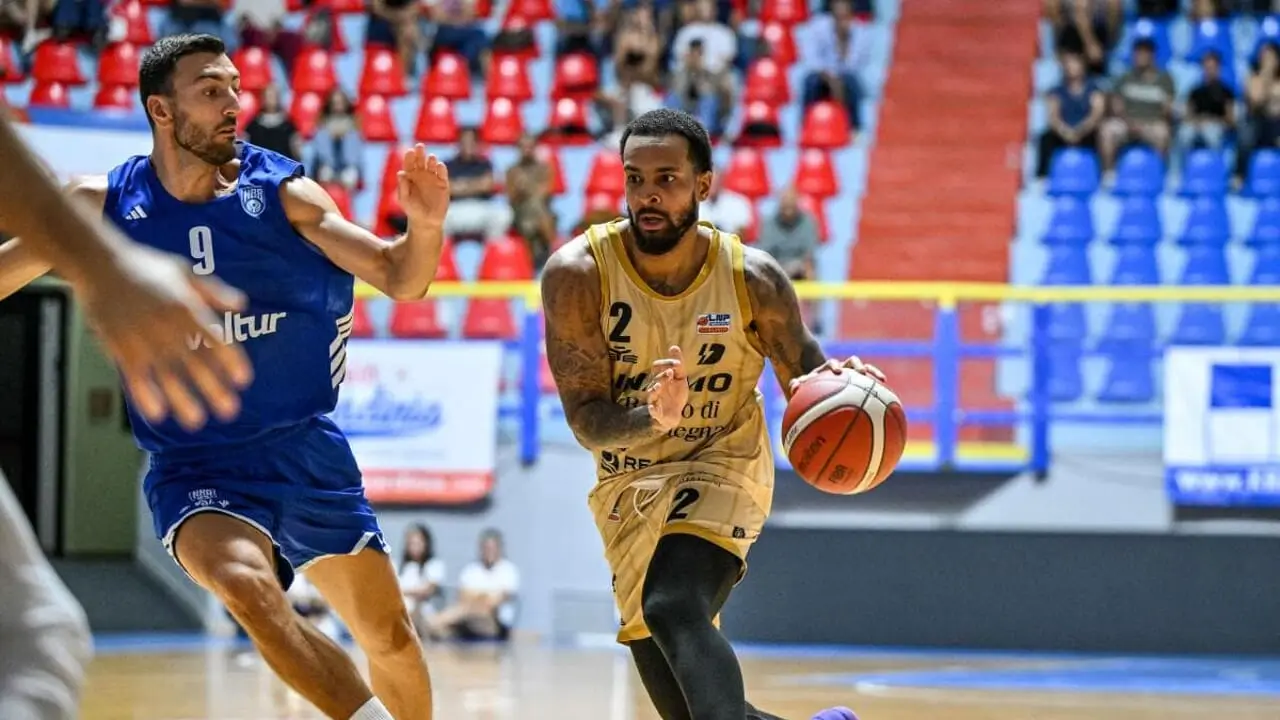
“Managing players accounts for more than 60% of the job”
For the Dinamo president, a modern coach cannot be judged solely on tactical ability.
“For me, motivation and player management now account for more than 60% of a head coach’s job.”
Sardara also mentions Gianmarco Pozzecco, highlighting a quality that he believes the coach from Dinamo’s FIBA Europe Cup era shares with Luca Vitali: the ability to read people.
“You have to be able to read a player’s face, understand when it’s time to give him confidence and when it’s time to give him a moment to rest. The biggest part of the job is being able to motivate players and understand what they need.”
His reasoning extends beyond basketball.
“Human resource management is the key to any organisation, whether we’re talking about finance, business, basketball, football or sport in general. If you know how to manage people, you’ve already done at least 60% of your job.”
This is perhaps the key to understanding the choice of Vitali. He is not simply a former point guard brought in to draw up plays, but someone the club is trusting to rebuild an entire locker room.
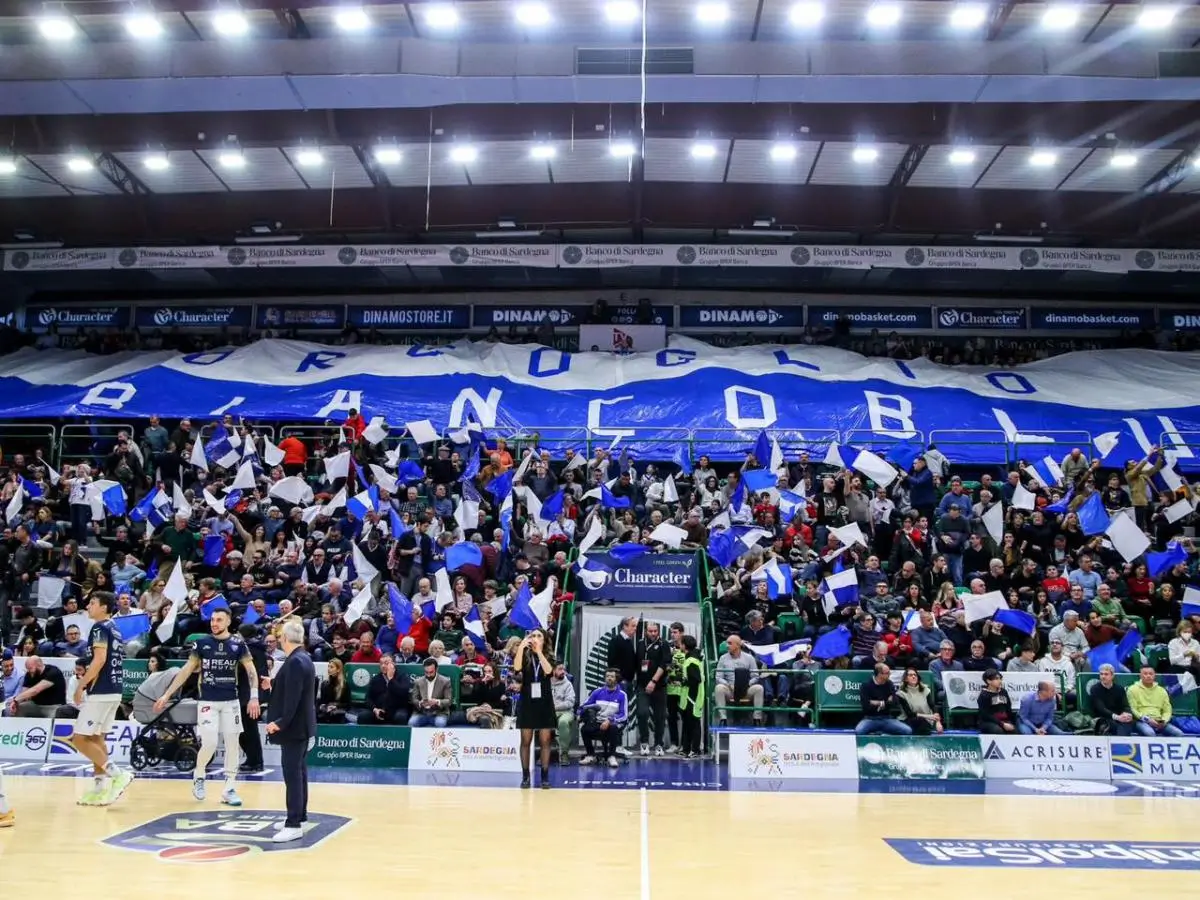
The fans need to see themselves in the team
Rebuilding the relationship with the PalaSerradimigni crowd is another of the interview’s central themes.
For Sardara, supporters’ enthusiasm cannot be generated simply through a communications campaign or by results alone. It has to begin with the players.
“If you have a team with no empathy, a team that looks as though the players are only there to clock in and clock out, then obviously you’re not going to engage anyone.”
By contrast, supporters immediately recognise a team that is willing to sacrifice.
“When you have a team that dives to recover a loose ball even when it’s thirty points up, you’re showing that you have heart. And people recognise heart.”
That explains the club’s effort to move closer to the city again, something already visible over the summer through open training sessions, preseason preparation held in Sassari and several friendly games organised across Sardinia.
The impact of Sardara’s absence last season
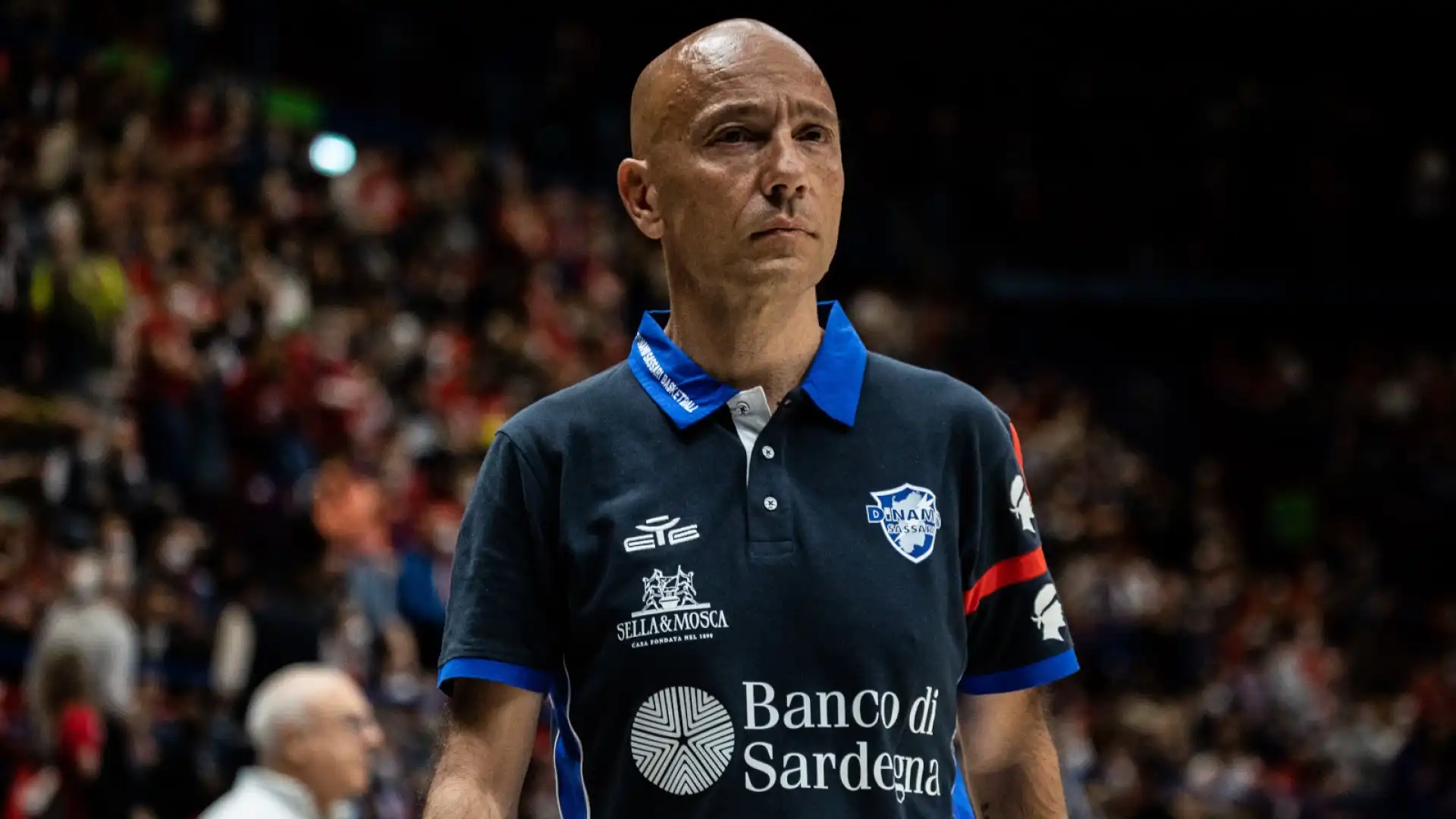
Sardara also addresses a more personal issue. For a significant part of last season, the president was based in the United States for work.
In the interview, he acknowledges that being more consistently present would probably have allowed certain problems to be identified sooner.
“I missed some things. Not because it had to be me specifically, but because there always needs to be someone in charge who is there, watching and keeping control.”
He adds:
“That probably would have meant some people leaving during the season itself.”
It is another reflection that accompanies the acceptance of responsibility he had already expressed publicly following relegation to Serie A2.
From the treble to the FIBA Europe Cup: “Two completely different victories”
The interview then turns to some of the most important moments of Sardara’s presidency.
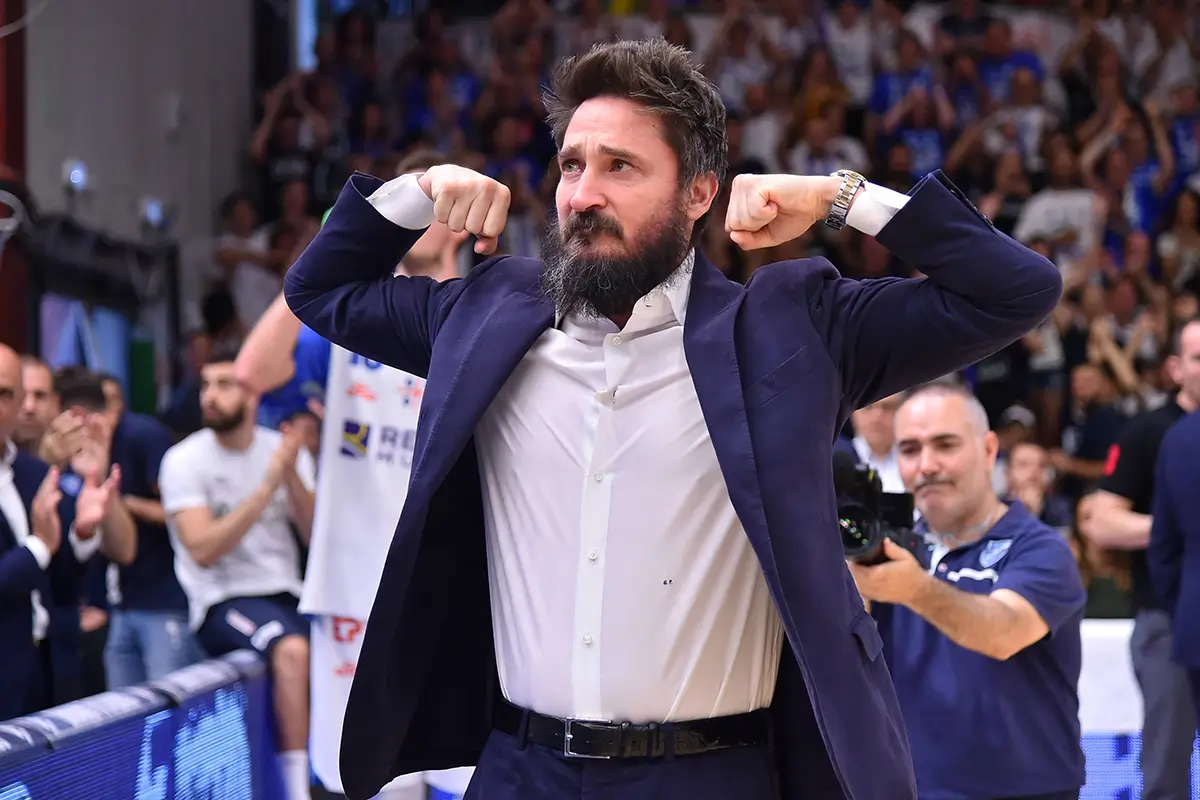
The inevitable reference point is the 2014/15 treble, when Meo Sacchetti’s team won the Italian Super Cup, the Italian Cup and the first Italian Championship in Dinamo’s history.
But Sardara places the cycle built with Gianmarco Pozzecco on the same level.
In May 2019, Sassari won the FIBA Europe Cup, the first international trophy in the club’s history, defeating Würzburg over the two-legged final. A few weeks later, Dinamo reached Game 7 of the Italian Championship Finals against Venezia. In September of that same year, the club also won the Italian Super Cup.
“For me, winning again later with a different team and a different coach confirmed that the model worked. I put the victories with Sacchetti and those with Pozzecco on the same level.”
In his memory, the main difference lies in the characteristics of the two teams.
The treble-winning side possessed an extraordinary level of individual talent. Pozzecco’s team, according to Sardara, managed to compensate for part of the gap to its rivals with an even stronger collective spirit.
“We didn’t have the same level of talent we had with the treble team. It was much harder to compete, but we made up for that gap with team spirit.”
And that is precisely the spirit the president wants to see again today.
Sardara and Sassari: from cordula to the Candelieri
The interview also makes room for a more personal side of Sardara.
Asked which traditional Sassari dish he could never give up, his answer comes immediately: cordula with peas, prepared by his mother.
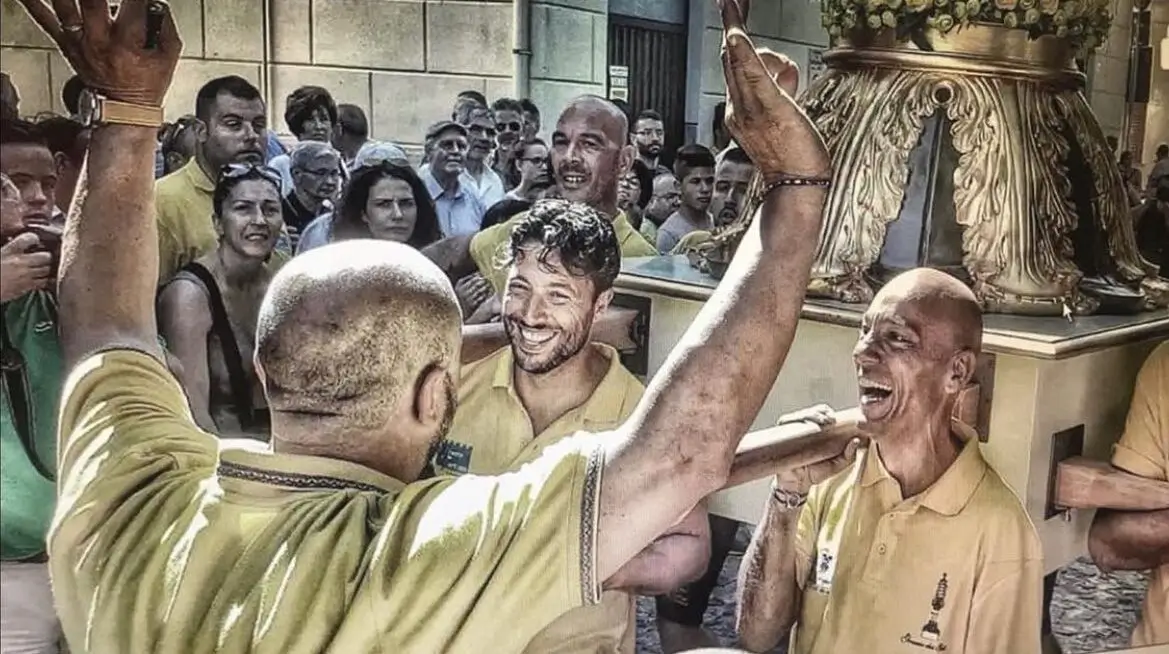
His bond with the city also runs through the Faradda. Sardara recalls his relationship with the Gremio dei Sarti, the Tailors’ Guild, which allowed him to experience the Candelieri tradition up close, from the dressing of the candle to the procession itself.
“I even carried the candeliere once. It looks as though I’m making it dance, but really it’s the others holding it up, given my impressive physique [laughs]. Joking aside, though, there is some movement!”
And when asked to choose three places he would show someone visiting the Sassari area for the first time, he names Platamona, Piazza d’Italia and the PalaSerradimigni.
A Dinamo determined to rebuild from people before results
On the eve of the first full season of this new era, the sporting objective inevitably remains important. Serie A2 is a long, competitive league and notoriously difficult to escape quickly.
But Stefano Sardara’s interview reveals another priority above all.
Before returning to Serie A, Dinamo want to recognise themselves again.
In a locker room filled with people who genuinely want to be in Sassari. In players who see the club as an opportunity rather than simply another stop in their careers. In a coach chosen in part for his ability to understand people. And in supporters who can once again identify with what they see on the court.
Relegation, Sardara argues, may have been a “necessary evil”. The definitive answer will only come on the court.
The direction chosen by the club, however, is already clear: to rebuild from the foundations that once transformed a club from the outer reaches of Italian basketball into one of the leading forces of the past fifteen years.