

The Council of Ministers approved the infrastructure decree-law on Monday, 9 November. It provides for up to €10 million in 2026 for Sardinia’s air territorial continuity. The measure, described in the statement issued at the end of the meeting, is linked to the exceptional increase in aircraft fuel costs and is intended to protect the island’s air links.
The measure states that the Ente nazionale per l’aviazione civile (Enac) may contribute towards the costs of Sardinia’s territorial continuity for 2026. The funding is therefore intended to support costs associated with the service amid rising jet fuel prices, with the aim of maintaining subsidized air links. The government’s announcement connects the intervention to the need to safeguard residents’ mobility.
The state measure is in addition to a separate initiative announced by the Sardinia Region on 30 September: a €10 million fund to assess fuel-related extra costs on routes covered by the territorial continuity scheme. The regional review concerns costs incurred between 1 March and 30 September 2026 and, according to the Region’s announcement, includes technical assessments of individual routes. This is not an automatic or across-the-board reimbursement.
As part of the review, the Region cited a jet fuel cost of €635.27 per tonne under the current regime and €1,075.994 in August 2026. The two figures describe the change being considered when assessing additional costs, but do not by themselves constitute a reimbursement criterion for airlines. The regional fund and the one provided for in the government decree are therefore separate measures, with different administrative frameworks.
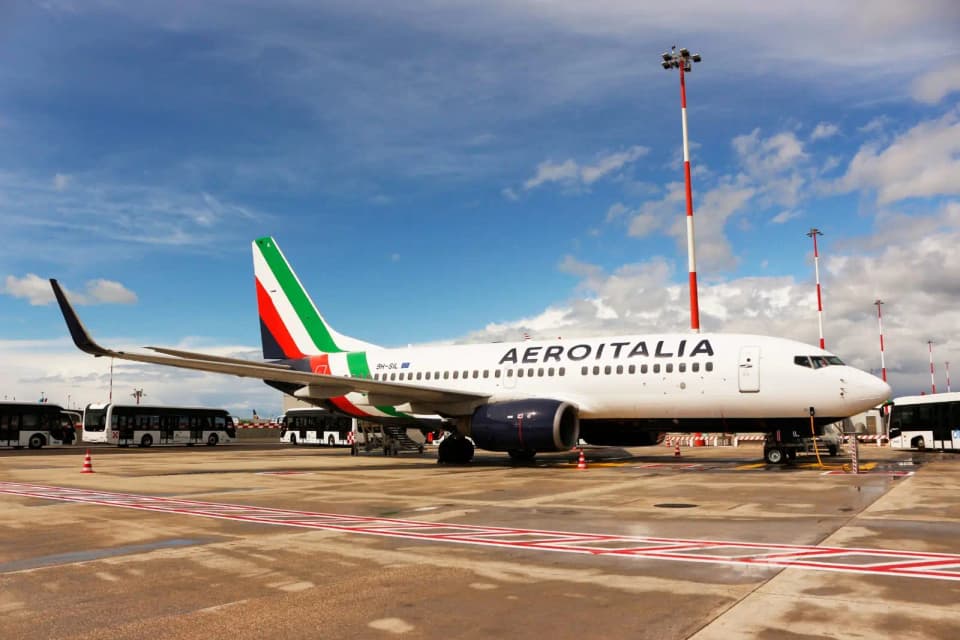
The issue has also become central to the viability of subsidized flights. On 2 November, Aeroitalia announced its intention to withdraw from Sardinia’s territorial continuity service, citing the increase in fuel costs. The airline had also proposed reducing frequencies on the Olbia–Rome route compared with those set out in the tender: a situation that makes support for air links particularly significant.
In the statement on the decree, minister Matteo Salvini linked maintaining an efficient network to Sardinians’ ability to travel for work, healthcare, education and family needs. Under the approach presented, air territorial continuity also serves to reduce the disadvantages associated with insularity and keep the island connected to the rest of the country. The announced funding relates to 2026 and to supporting the costs of the service.
Discussion of the measures is therefore taking place at a time of pressure on air links and on costs in the sector. For more on the carrier’s position, Aeroitalia on territorial continuity had announced its withdrawal from service in Sardinia, identifying January 2027 as a possible target. The measures for 2026, by contrast, concern support for costs associated with high fuel prices and the safeguarding of territorial continuity.