

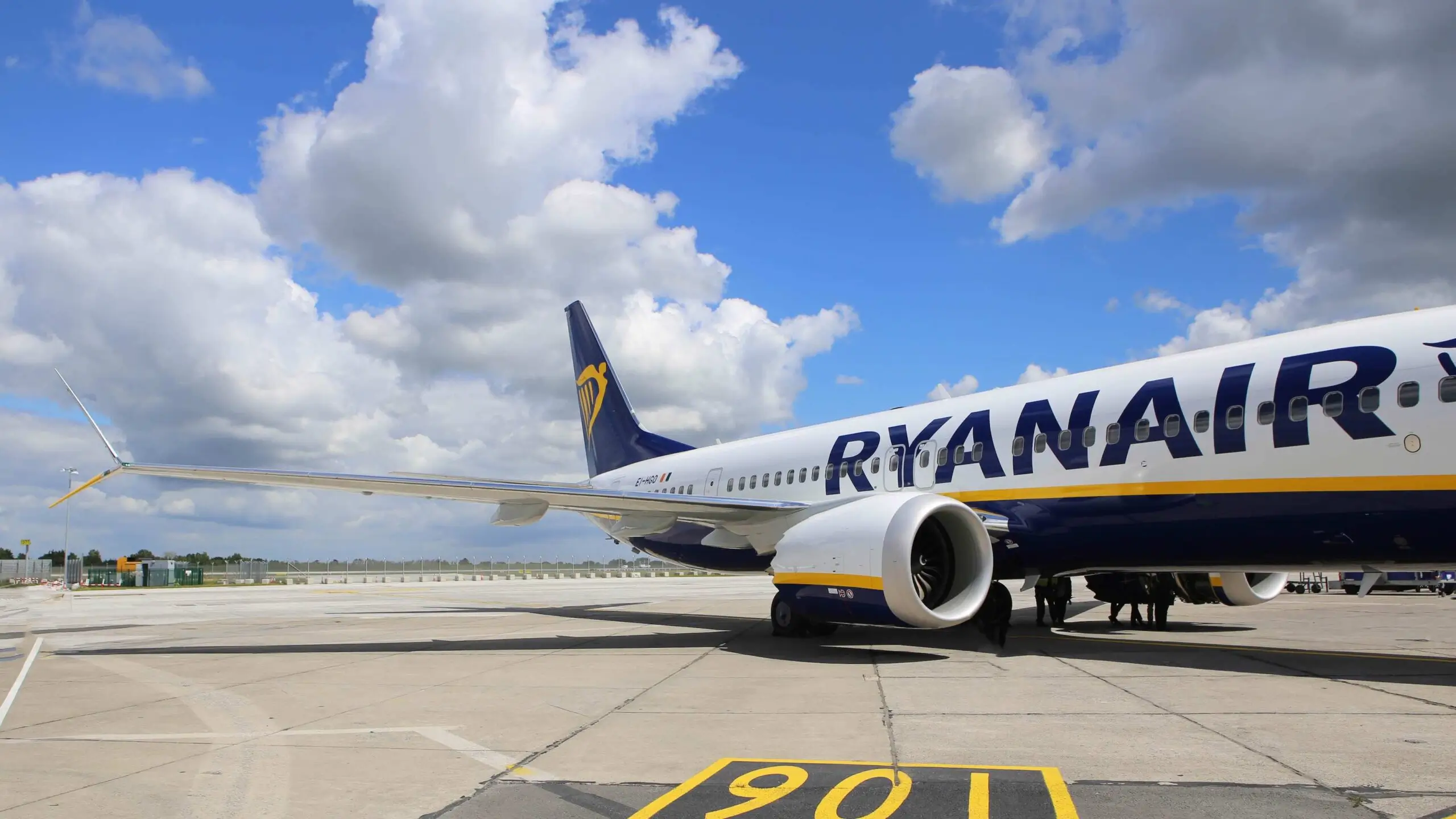
Ryanair is once again taking aim at the Sardinia Region over the departure tax. For the Irish airline, the decision to suspend the surcharge only during the low season represents a “half measure” that would not be enough to make the Island competitive with other Italian regions.
The stance comes just days after the Regional Council approved the suspension of the €6.50-per-passenger surcharge during the winter months, for which the Region allocated a total of €18.2 million over the three-year period.
Ryanair calls for abolition all year round
The point of disagreement is precisely the duration of the measure.
Ryanair is calling for the surcharge to be eliminated throughout the year, following what has already happened, according to the airline, in other Italian regions such as Friuli Venezia Giulia, Calabria, Abruzzo, Sicily and Emilia-Romagna.
The carrier says it presented Sardinia with a growth plan as early as 2024, linked to the complete elimination of the tax.
According to the airline’s estimates, the project could bring to the Island more than 2 million additional passengers a year, four new aircraft, an investment of 400 million dollars and a new base in northern Sardinia, with more than 900 local jobs.
These are, it should be stressed, figures contained in Ryanair’s proposal and subject to the conditions set out by the carrier, not investments that have already been scheduled.
“For winter, it’s too late now”
Ryanair is also criticising the timing of the regional decision.
According to the airline, operations for the next winter season have already been finalised, meaning the suspension of the tax would come too late to generate significant growth in the short term.
The carrier nevertheless expects to increase frequencies on some routes from Cagliari to Milan Malpensa and Venice, but says that overall its capacity in Sardinia will decrease during the winter, with cuts in Alghero and Olbia.
The Region has allocated €18.2 million
The Region’s position is different.
With the 2026–2028 budget adjustment, the Regional Council allocated €18.2 million to suspending the surcharge during the low-season periods.
The stated aim is to reduce the costs borne by airlines precisely during the months when flight availability is weakest, thereby encouraging the seasonal adjustment of connections without using public funds to support the abolition of the tax throughout the year.
The Region had already made clear in recent months that any action on the surcharge would have to be assessed with consideration for the public interest and the public resources required.
The dispute over Sardinia’s skies continues
The regional decision has therefore at least partly met a request that Ryanair has been pursuing for some time, but not enough to satisfy the airline.
On one side is the Region’s decision to focus resources on the winter season, when Sardinia suffers most from the reduction in connections. On the other, Ryanair argues that only permanent abolition could make the Island competitive enough to attract new aircraft, routes and investment.
The departure tax has been reduced where Sardinia most needs flights. For Ryanair, however, the decisive step still remains to be taken: abolishing it all year round.