

What happened at the San Martino plant
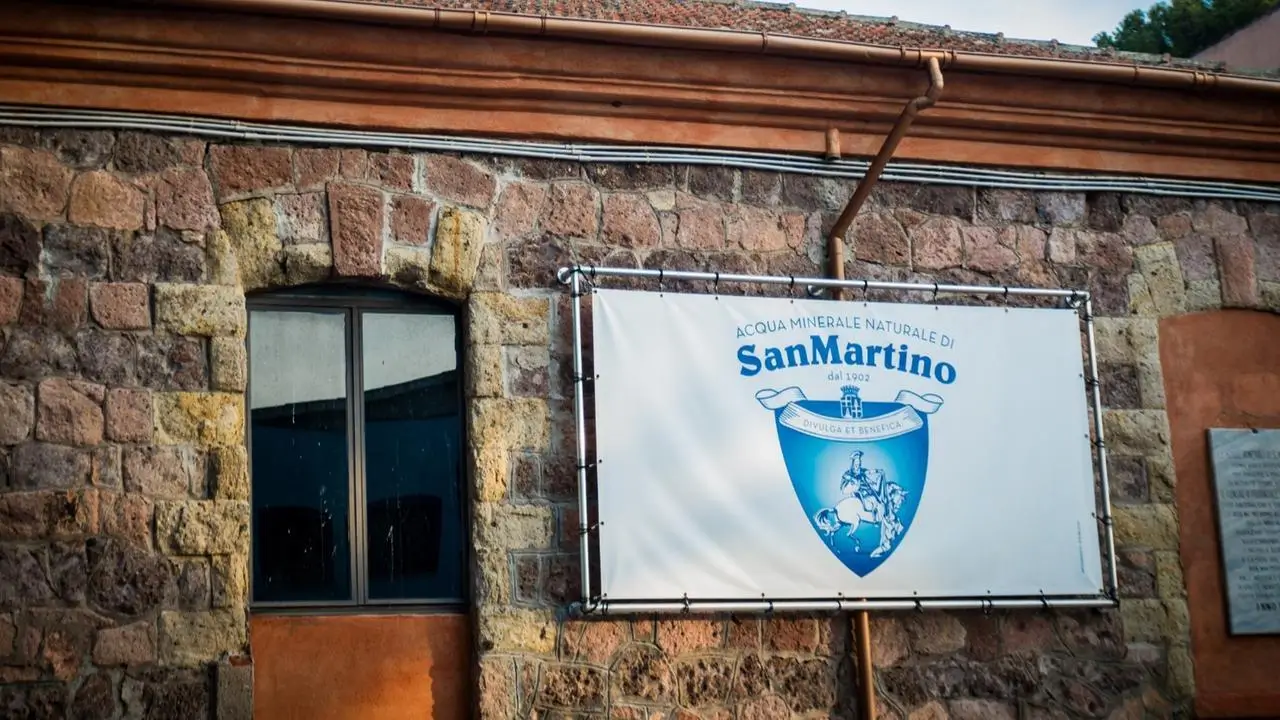
Widespread contamination of the soil and subsoil has been identified in the area of the historic mineral water plant San Martino, in Codrongianos.
Investigations carried out by the Ecological Operational Unit of the Carabinieri of Sassari, together with the Prosecutor's technical consultant, have brought to light buried plastic and glass waste, burned materials, ashes and sludge resulting from the water processing process.
The picture described in the Noe documents is one of «serious and widespread pollution of the soil and subsoil».
The Sassari Prosecutor's Office has opened an investigation into environmental disaster to reconstruct what happened and identify any responsibilities. Two former directors of the company have been entered into the register of suspects.
What was found under the ground
The most worrying elements concern the concentrations of some substances detected in the soil samples.
According to the findings reported by La Nuova Sardegna, in the area of the iron remover, arsenic reached 11,243 milligrams per kilogram, compared to a contamination threshold indicated in the documents of 20 mg/kg: a value approximately 560 times higher.
High concentrations of other elements were also detected:
- Cadmium: up to 64.79 mg/kg, compared to an indicated threshold of 2.
- Beryllium: 27.63 mg/kg, against a threshold of 2.
- Vanadium: 119.77 mg/kg, compared to 90.
- Dioxins and furans: up to 144 nanograms I-TEQ/kg, compared to a threshold of 10.
It is important to specify that these numbers refer to soil samples, not the mineral water.
How extensive is the contamination
The investigations do not concern a single point of the plant.
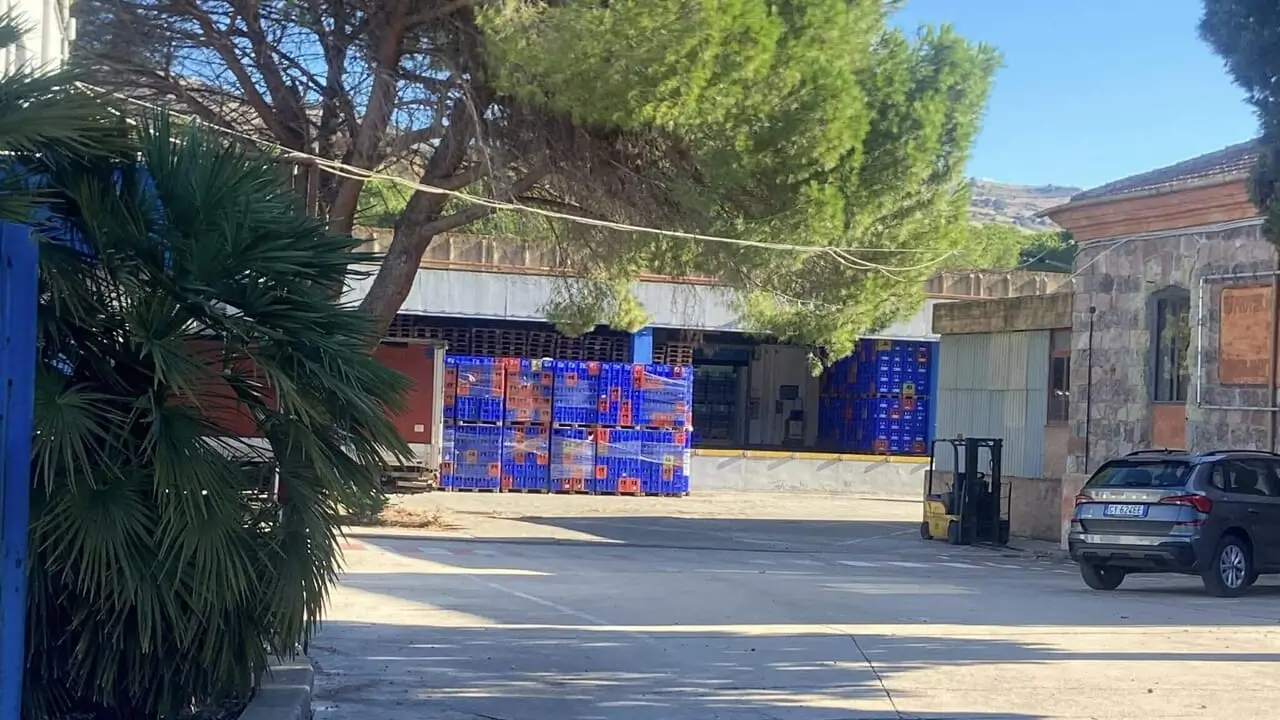
In the production warehouse, an area of about 500 square meters was identified in which soil and waste are mixed to a depth of one and a half meters. The estimated volume of the affected material is between 500 and 750 cubic meters.
In the pine forest area, instead, the buried materials reach a depth of about one meter over an area between 300 and 400 square meters.
Other waste and combustion residues were also identified in the storage warehouse area.
How long would it have been going on?
According to the reconstruction by the Noe and the Prosecutor's consultant, the conduct under investigation would have continued from August 1994 until April 2025, when the company entered judicial liquidation.
The allegations would concern the abandonment, burial and burning of plastic and glass waste and the discharge onto the ground of the sludge produced during the water iron-removal process.
It is on this reconstruction that the judicial authority will now have to work. The proceeding is still in the investigation phase and any personal responsibilities must be established in the competent venues.
The main question: was San Martino water contaminated?
This is probably the point of greatest interest to those who have drunk San Martino for years.
At the moment, in the publicly available information on the investigation, there is no data demonstrating that the bottled mineral water was contaminated by the substances found in the soil.
The findings made known actually concern soil and subsoil. The Noe document cited by the press does not report abnormal values relating to the bottled water and does not document contamination of the springs or the catchment wells.
This distinction is fundamental.
Saying that arsenic, cadmium and dioxins were found in the plant's soil does not automatically mean that those substances ended up in the water sold to consumers.
So can we rule out problems at the springs?
Not yet definitively.
To understand if the soil contamination also affected the groundwater, a hydrogeological reconstruction of the site will be needed: it will be necessary to establish the depth and direction of the water tables, the characteristics of the rocks and, above all, whether a connection exists between the contaminated areas and the aquifer that fed the springs.
According to the reconstruction by La Nuova Sardegna, the springs are located at a distance from the zones where the main pollutants were detected and the water was periodically subject to controls. But to obtain a complete answer, it will be necessary to compare the results of those analyses with the new environmental findings.
The Region had formally authorized the bottling and marketing of San Martino water coming from the springs named B and D, while the mining concession had subsequently been extended until December 2025.
Is there a current danger for the drinking water of Codrongianos?
In the official and journalistic sources consulted as of September 21, no emergency has been declared regarding the drinking water distributed to the inhabitants of Codrongianos.
The investigation concerns the plant and its land. It should therefore not be automatically confused with the town's drinking water network.
Similarly, at the moment there are no health measures stating that those who consumed San Martino water in the past were exposed to the pollutants identified in the soil.
These are different issues and must be treated on the basis of analyses, not by association.
Why iron-removal sludge is important in the investigation
One of the central aspects concerns the sludge generated by iron removal, the process used to reduce the presence of iron in the water.
According to investigators, part of this sludge was discharged directly onto the ground.
And it is precisely in the area of the iron remover that the highest concentration of arsenic was measured, hundreds of times higher than the threshold reported in the findings.
The investigation will have to precisely reconstruct the origin, management methods and destination of these residues over the years.
What happens now: characterization and remediation
The problem does not end with the criminal investigation.
The site must also be addressed on an environmental and administrative level.
Italian legislation on contaminated sites provides for characterization procedures, risk analysis and eventual securing and remediation. The guiding principle is that of “the polluter pays”: interventions must be borne by the identified responsible parties, while substitute public procedures are provided when the obligated parties do not intervene.
According to information gathered by La Nuova Sardegna, the Municipality of Codrongianos is evaluating the necessary acts to impose securing and address the subsequent remediation.
Before talking about times and costs, however, it will be necessary to know the real extent of the contamination, including the possible presence of pollutants in the groundwater.
What changes for the future of San Martino
The plant had already ceased activity in April 2025, after the opening of the judicial liquidation of the company.
In recent months, the Region and the Metropolitan City were working to preserve the plant, protect former employees and keep open the possibility of a future restart. In July 2026, the active policies project for former workers was also extended.
The investigation inevitably changes the scenario.
The Metropolitan City of Sassari, which inherited the ownership of the plant and part of the land from the Province, has already recognized that the necessary environmental checks and any remediation make any project to restart production much more complex.
What we know and what we still don't know
At this point it is useful to clearly separate the established facts from the questions that remain open.
We know that significant contamination from arsenic and other substances has been identified in the plant's soils, as well as buried waste and sludge. We know that the Prosecutor's Office is investigating and that two people are under investigation. We also know that environmental interventions on the site will be necessary.
We do not yet know, instead, if the contamination affected the aquifers connected to the springs, what the entire extent of the problem is, how much the remediation will cost and what the final responsibilities will be.
Above all, at the current stage there are no public elements to state that the San Martino water sold and consumed over the years contained the contaminants found in the soil.
And it is precisely on this point that the investigation must now provide the most important answers: understanding not only what was buried under the plant, but how far the contamination reached and what environmental consequences it actually produced.