

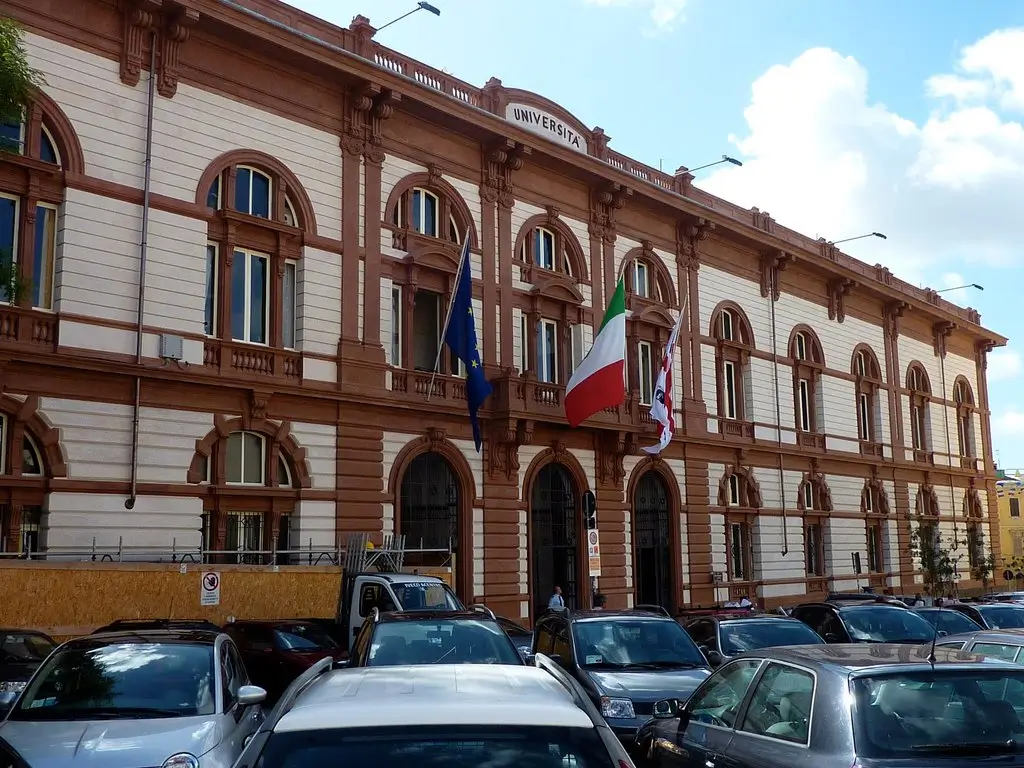
Just days before the first vote to choose the rector of the University of Sassari, technical-administrative and library staff are bringing a series of issues that have emerged in recent years to the attention of the four candidates. The vote will take place on Monday, 21 September 2026, exclusively online, from 9 a.m. to 7 p.m., with possible subsequent rounds on 23, 28 and 30 September. The candidates admitted are Omar Chessa, Francesco Morandi, Giorgio Antonio Mario Pintore and Sergio Uzzau.
At the centre of the letter sent by the Unitary Trade Union Representation are the working conditions of the 486 employees in the sector. The Rsu first challenges the mechanism established for the vote: to express a preference, each vote cast by technical-administrative and library staff would carry the equivalent weight of ten employees’ votes, while for teaching staff the ratio would be one vote per voter. According to the representatives, this difference further reduces the role of this component in the university’s decision-making.
Supplementary pay and legal disputes
According to the letter, the discontent began in 2018, when certification of the supplementary pay funds was allegedly halted. For approximately five years, the Rsu maintains, not all the allowances due in addition to the salary were paid. The matter led to several legal disputes with the University, in which—again according to the representatives—the administration allegedly chose to continue the confrontation through to the final level of appeal.
The Rsu also refers to the repayment plan proposed to recover sums paid out in the past. The deductions, calculated at the maximum level permitted by law and amounting to 25% of the funds per year, are described as «a genuine “twenty-year mortgage”». The trade union organisation complains that the resources released in the university’s budget would not be returned to staff.
Reduced staffing levels and struggling offices
Another issue concerns the reorganisation of the administrative structure and the abolition of the Training Office, identified by the Rsu as one of the consequences of the organisational choices made by the administration. This would also be compounded by the lack of generational turnover: retirements would not have been offset by sufficient recruitment, leaving departments forced to operate «understaffed».
The letter cites 29 resignations to join other bodies over the past four years and forecasts a further 55 planned departures in the 2026–2028 period. For the representatives, the result is a climate of growing dissatisfaction and demotivation, exacerbated by delays in negotiations over supplementary agreements. The fear expressed on the eve of the vote is that some employees will choose not to take part in the consultation, turning internal discontent into a political signal directed at the university’s future administration.