

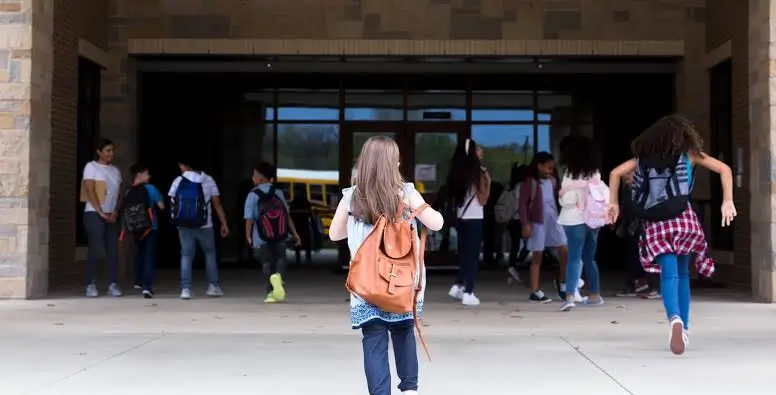
Sardinian schools are entering the new academic year with a structural problem that remains unresolved: of 1,645 buildings, only 14.2% reportedly have an occupancy certificate. The percentage, cited in the Ecosistema scuola report, confirms a situation that has been a source of concern for trade unions and administrators for years.
According to data cited by Flc Cgil, in 2002, 15.5% of Sardinian school buildings had an occupancy certificate. The comparison therefore points to a decline, or at least the absence of any significant improvement. Regional secretary Emanuela Valurta says the situation has not changed over the past year: “The data are the same”.
One billion euros for 2,206 projects
In terms of investment, Sardinian schools have been allocated a total of approximately one billion euros: €939.6 million from the National Recovery and Resilience Plan and €60.8 million from other sources. The funds are spread across 2,206 projects, so far financed to the extent of 50% of the total amount planned. This share does not, however, indicate that half of the payments have been made, but rather the percentage of funding allocated to each project.
The main sticking point concerns the timetable. The deadlines for reporting on and paying for Pnrr projects fall between 30 September and 31 December 2026. The deadline for opening new procedures or submitting applications, on the other hand, expired on 31 August. Many projects are still behind schedule, and the possible granting of an extension could prove decisive in avoiding the loss of funding or the failure to complete the works.
Few new schools, many renovations
In detail, there are reportedly just seven projects to build new school buildings, with total funding of less than €32 million and an average of approximately €4.5 million per project. The renovation chapter is more substantial: 190 projects, with €181 million available, €155 million of which is funded by the Pnrr.
The other programmes concern the expansion of sports infrastructure, with 19 projects worth almost €15 million, and the extension of full-time schooling and school canteens, with 46 projects worth just under €24 million. For nurseries, preschools and early-childhood services, 110 projects are planned, funded with €123 million.
For an overview of the return to school and the academic calendar, see the new features of the 2026/27 academic year. However, the underlying fact remains: even if all the funded projects were completed, the region’s school building stock would continue to present critical issues, because the planned measures do not cover the entire needs of the 1,645 existing buildings.