

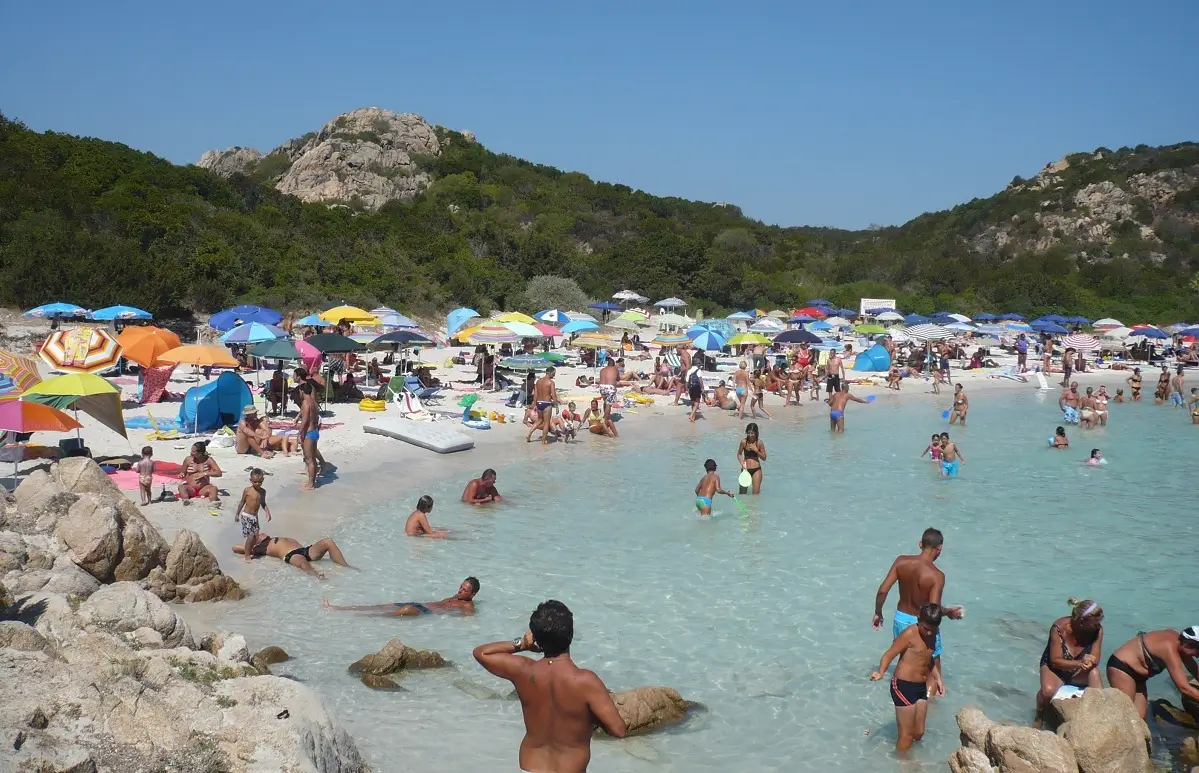
From sand theft to vehicles on the dunes, as well as litter and illegal camping: with summer, the problem of uncivilised behaviour on Sardinia’s beaches returns to the fore. Alongside calls for increased checks, a proposal discussed several times in recent years is also resurfacing: preventing the most serious offenders from returning to the places they have damaged.
A kind of environmental Daspo, therefore, conceived as a deterrent against those who regard beaches and protected areas as places without rules.
The precedent of “DASPIA”
The idea is not new. Back in 2018, WWF Sardegna provocatively proposed a Daspo for anyone damaging the Island’s natural heritage.
In 2019, the issue also reached the Regional Council, through a motion proposing consideration of the introduction of the so-called DASPIA, an acronym for decree banning people from beaches.
The aim was to keep those responsible for stealing sand, shells and other natural materials away from the areas concerned. However, the proposal does not amount to a general ban on returning to Sardinia for a holiday, and there is currently no regional “tourist Daspo” automatically applied to anyone who violates environmental regulations.
The fines are already steep
While the Daspo remains a possibility, penalties for damaging Sardinia’s beaches are instead very real.
The Sardinia Region also reiterated during summer 2026 that it is forbidden to remove, possess or sell sand, pebbles, stones and shells from the coastline: the prescribed penalty ranges from 500 to 3,000 euros.
Fines of 100 to 1,000 euros are also предусмотрed for anyone who tramples on the dunes or accesses them with vehicles, while penalties can reach up to 10,000 euros for littering. Free overnight stays outside authorised areas are also prohibited.
Protecting beaches, beyond slogans
The debate over the Daspo therefore brings back to the fore an issue that resurfaces in Sardinia every summer: how to protect a fragile natural heritage without relying solely on awareness campaigns.
The rules already exist and provide for significant penalties. The real challenge remains enforcing them by stepping up checks and prevention in the places most exposed to tourist pressure.