

Guide · Food and flavours

8 Typical Dishes from Sassari to Try

Cover image for 8 Typical Dishes from Sassari to Try

Visiting Sassari without tasting its cuisine means getting to know only half the city. The other half can be found in trattorias, bakeries, family tables and recipes that require few ingredients, quite a lot of time and a certain willingness to embrace garlic. Sassari’s cuisine stems above all from peasant tradition and uses pulses, vegetables, pork, offal and ingredients once considered less refined. The result is a hearty, straightforward gastronomy with no particular interest in being light. Here are 8 typical dishes from Sassari to try, preferably arriving at the table with a healthy appetite.

1. Fainè

Let’s start with one of the city’s most popular specialities: fainè.

It is made with a very simple batter of chickpea flour, water, oil and salt, baked at a high temperature in large trays. It should be thin, golden on the surface, soft in the centre and served strictly hot, with a generous sprinkling of pepper.

The classic version is enough to understand why the people of Sassari are so proud of it. There are also numerous variations, especially with onions, sausage or both, because apparently stopping at chickpea flour seemed too cautious.

Its origins are linked to Genoese farinata, but Sassari adopted it and transformed it into a true local institution. Today it is eaten in specialist venues, pizzerias and some sandwich shops.

Tip: don’t order too much all at once. Fainè only seems light during the first three bites.

2. Sassarese Favata

The favata, or fabadda, is one of the most representative dishes of Sassarese cuisine.

It is a thick soup made with dried broad beans, cabbage, wild fennel and various cuts of pork, including pork rind and sausage. It is cooked slowly and served very hot, often accompanied by toasted bread.

Traditionally, it is associated with the period of Carnival, but it may also appear at festivals, convivial gatherings and lunches after which nobody has any particularly athletic plans for the afternoon.

Favata is not a minimalist tasting dish. It is a substantial, fragrant and hearty course, made to be shared around a large table.

3. Sassarese Snails

In Sassari, snails are not a gastronomic curiosity. They are a serious matter.

Depending on their size and variety, they are called ciogga minudda, ciogga grossa, coccoi or monzette, and can be prepared in many ways.

Small snails are often boiled and simply seasoned, while larger ones may be cooked with a spicy sauce, garlic and parsley. The biggest snails can be stuffed with cheese, eggs, herbs and breadcrumbs. Monzette, on the other hand, are sautéed in a pan with oil, garlic and parsley.

Eating them requires patience, technique and a certain degree of coordination. An experienced person from Sassari proceeds with impressive speed. Visitors generally spend the first few minutes watching and learning.

Fundamental rule: when faced with a plate of snails, toothpicks are not decorative.

4. Zimino

The zimino, in Sassarese ziminu, is probably one of the city’s most distinctive and boldly flavoured dishes.

It consists of veal offal, such as diaphragm, heart, liver, spleen, intestines and sweetbreads, cooked on the grill over hot coals. The preparation is essential: good ingredients, fire, salt and control of the cooking.

It was born from the ability of traditional home cooking to make use of every part of the animal, turning less sought-after cuts into a much-appreciated speciality.

It is not the easiest dish with which to approach the local gastronomy, but it is one of the dishes that best conveys its character. No decorations, no creative sauces and no little leaf placed on top for appearance’s sake.

Zimino arrives at the table and gets straight to the point.

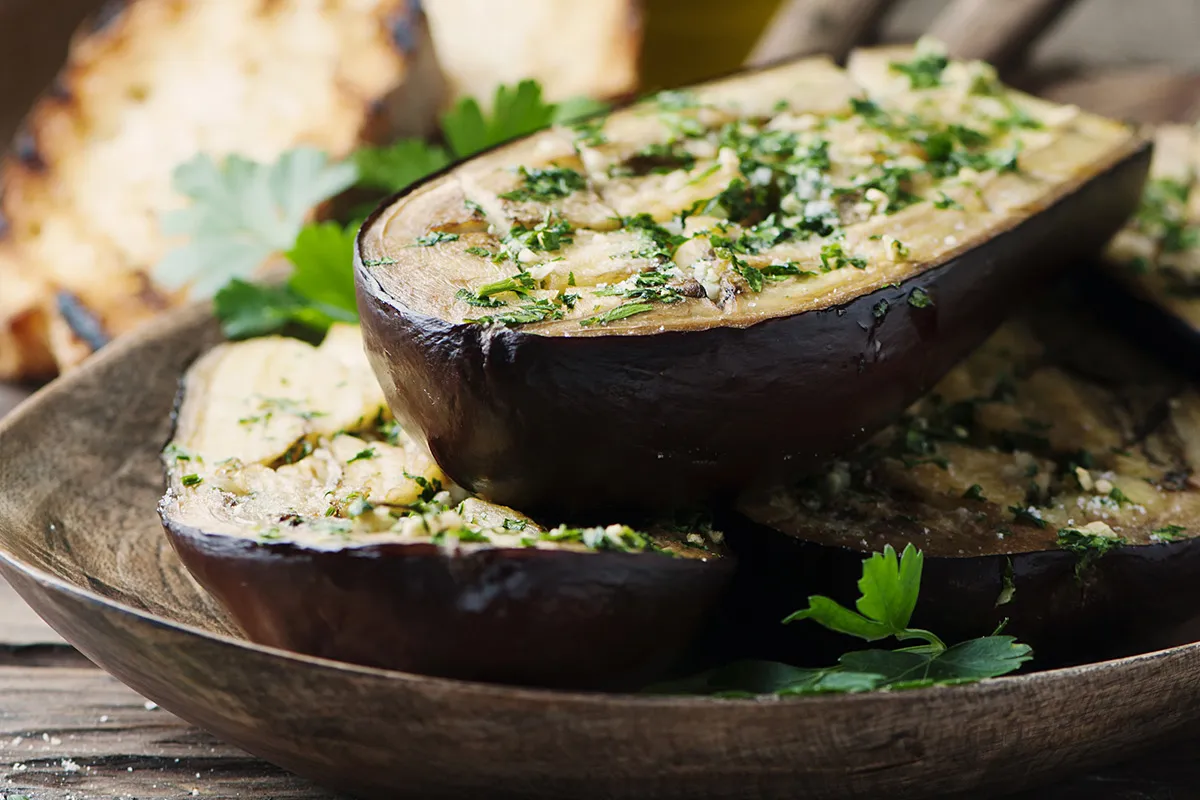
5. Sassarese Aubergines

The melanzane alla sassarese, also called mirinzana in forru, show that local cuisine can be intense even without using meat.

The aubergines are cut in half and scored through the flesh, creating a sort of grid. They are then seasoned with oil, garlic, parsley, salt and chilli before being baked.

The result is a soft, aromatic and decidedly flavourful dish, served as a starter, side dish or main course.

They are especially popular in summer and represent a strategic choice for anyone wanting to try a typical recipe without immediately tackling offal, pork rind or snails.

There is one caveat, however: the word vegetarian does not automatically mean delicate. Sassarese garlic knows no half measures.

6. Mineshtra e Fasgiori

The mineshtra e fasgiori is a rustic soup made with beans, potatoes, lard, wild fennel and sun-dried tomatoes.

It is one of those dishes that can tell the story of home cooking better than many elaborate recipes. The ingredients are simple, but slow cooking allows the flavours to blend and creates a rich, fragrant soup.

There is also a variation called mineshtra e patati, in which potatoes play an even more important role.

It is an ideal speciality for cold days, when even the Sassari wind seems to suggest going into the first available trattoria.

7. Tripe in Tomato Sauce

Another great classic of the tradition is trippa al sugo, slowly cooked in tomato and served with a generous sprinkling of grated pecorino cheese.

In the Sassarese version, the sauce tends to be generous and rich. Bread consequently becomes an essential operational tool.

Like many local preparations, tripe was born from the need to waste nothing and transform inexpensive ingredients into dishes full of flavour.

Not everyone is ready to tackle it at lunchtime, but those who love it rarely accept token portions.

8. Li Frisgiori Longhi

To finish with something sweet, ideally you should wait until Carnival and look for li frisgiori longhi, the typical long fritters found throughout the Sassari area.

They are made with an aromatic batter, traditionally flavoured with anise and orange zest, poured into hot oil to form long ropes or large spirals. Once golden, the fritters are covered with sugar.

They should be eaten hot, preferably straight from the fryer. Trying to divide one into perfectly equal portions is pointless: someone will always get the larger piece and pretend it happened by chance.

Where to Eat Sassari’s Typical Dishes

To try traditional cuisine, it is worth seeking out the trattorias in the historic centre, venues specialising in fainè and festivals held throughout the year.

Not every dish is available in every season. Favata and the long fritters are particularly associated with Carnival, while aubergines and snails are more easily found in the warmer months and during local festivals.

Before sitting down, ask which traditional dishes are available that day. It is often the best way to find fresh preparations and recipes genuinely rooted in home cooking.

A Journey into the Most Authentic Sassari

Typical Sassarese dishes do not try to win visitors over with sophisticated presentations. They focus on flavour, memory and conviviality.

They are recipes born in vegetable gardens, courtyards and family kitchens, built around the ability to use everything the land had to offer.

To truly get to know them, you have to sit down, listen to the advice of the person cooking and accept that lunch may last longer than expected.

But then, you are in Sassari. There is always room to try one more dish.

Attività consigliate