
Guide · Culture and traditions

Panini, pizzette and fainè: the flavors that raised Sassari

Cover image for Panini, pizzette and fainè: the flavors that raised Sassari

A panino known by name, a slice of pizzetta, a tray of fainè to share. One way to get to know Sassari is to start here: at the counters and ovens where generations of customers have met. This journey through panini, pizzette and fainè in Sassari follows some of the businesses that have entered the city’s memory, through family stories, changes of location and signs people remember even after a business has made way for something else.

Renato: when a panino has a name of its own

Behind the name Renato is Renato Deliperi, whose story at the griddle began in the 1980s. Accounts published by La Nuova Sardegna in 2013 and 2025 trace a journey that starts at Largo Ittiri, passes through Via Università and Corso Vittorio Emanuele, and reaches Via Roma.

In the 2025 interview, Renato talks about his experience in Austria and the ideas he brought to Sassari, starting with the bread used for his panini. Two names that became part of the sandwich shop’s identity feature in the story: Hambovo and Capriccio.

Renato also remembers customers who live outside Sardinia and come back looking for their panino when they return to the city. The family story includes his wife Ivana and his sons Franco and Alessandro: their names gave rise to Re.Fr.Al., the sign that has accompanied this story.
Cocco: pizzette since 1968

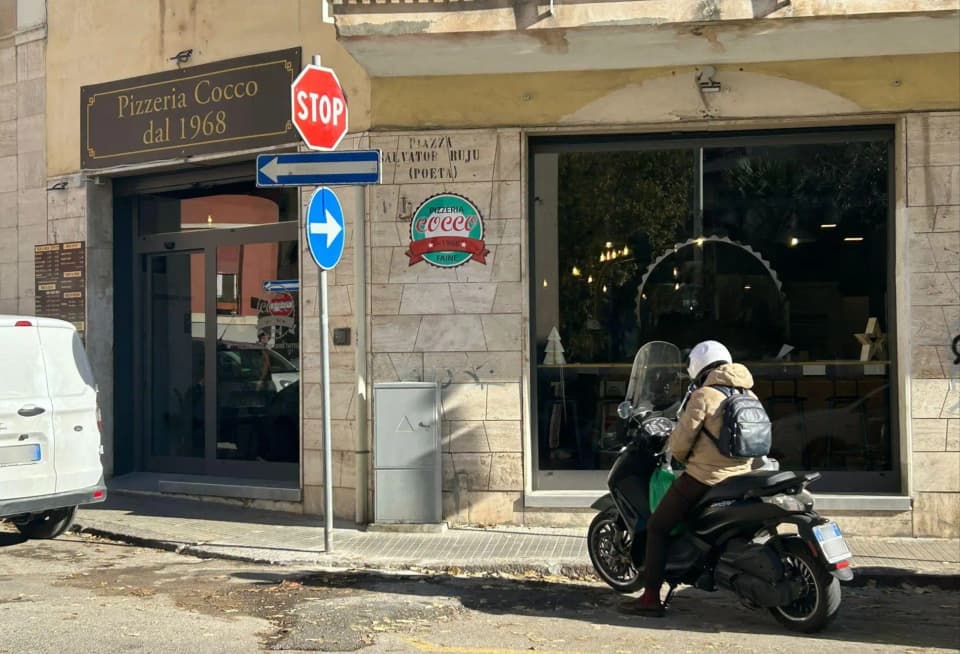
One documented story of pizzette sold by the slice is that of Cocco, established in 1968. The date appears in the business’s own introduction and in an article about its growth, which identifies Salvatore Cocco as its founder.

From Via Rosello, the story of the sign extends to the Emiciclo Garibaldi and Piazza Salvator Ruiu. Sassari Oggi reported on the third outlet in December 2023; all three locations are also listed on the business’s digital menu.

Cocco pizzeria in Sassari

Alongside pizzette, there is fainè. This connection helps explain how widely this dish has spread: takeaway pizzerias have joined the specialist bakeries, as the regional listing of traditional products also documents.

Sassu: the oven on Via Usai and fainè on handcarts

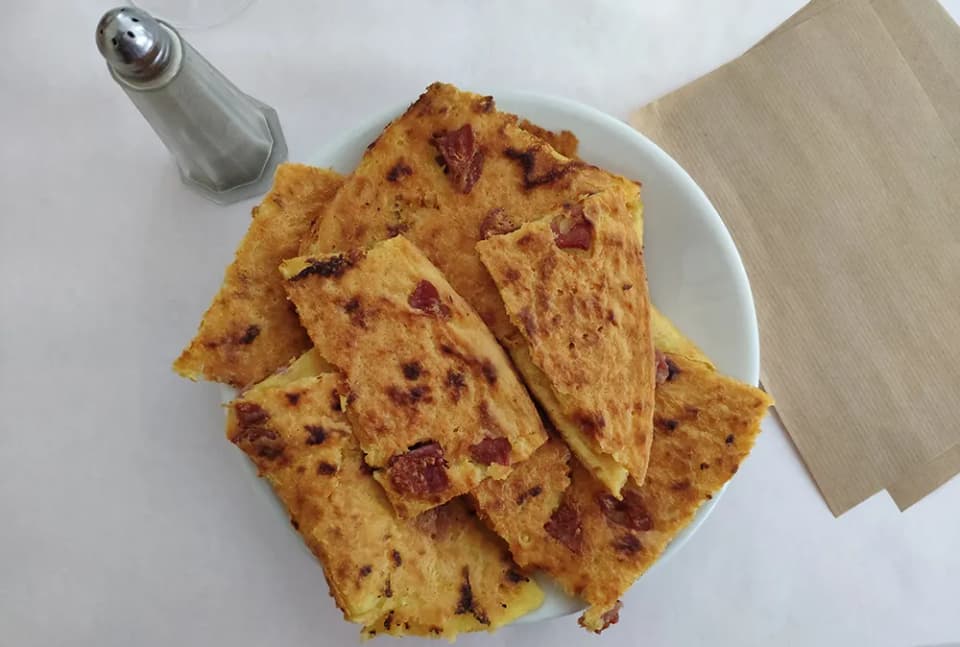
Chickpea flour, water, oil and salt are the basic ingredients of fainè. But to tell its story in Sassari, we also need the people who prepared the mixtures and worked at the ovens.

For Fainè Sassu, on Via Usai, an important account comes from Mario Marongiu, interviewed by Pasquale Porcu in 2021. Marongiu tells how the business passed from the Ottonello family, of Genoese origin, to his own family.

His memories also include fainè prepared for street vendors: they bought it at the bakery and resold it from handcarts outside schools during recess. The story of Via Usai thus includes shared meals and portions eaten in the street during breaks in the day.

To find places where you can stop for a taste, see the guide to where to eat fainè in Sassari.

Benito: a family story in Sant’Apollinare

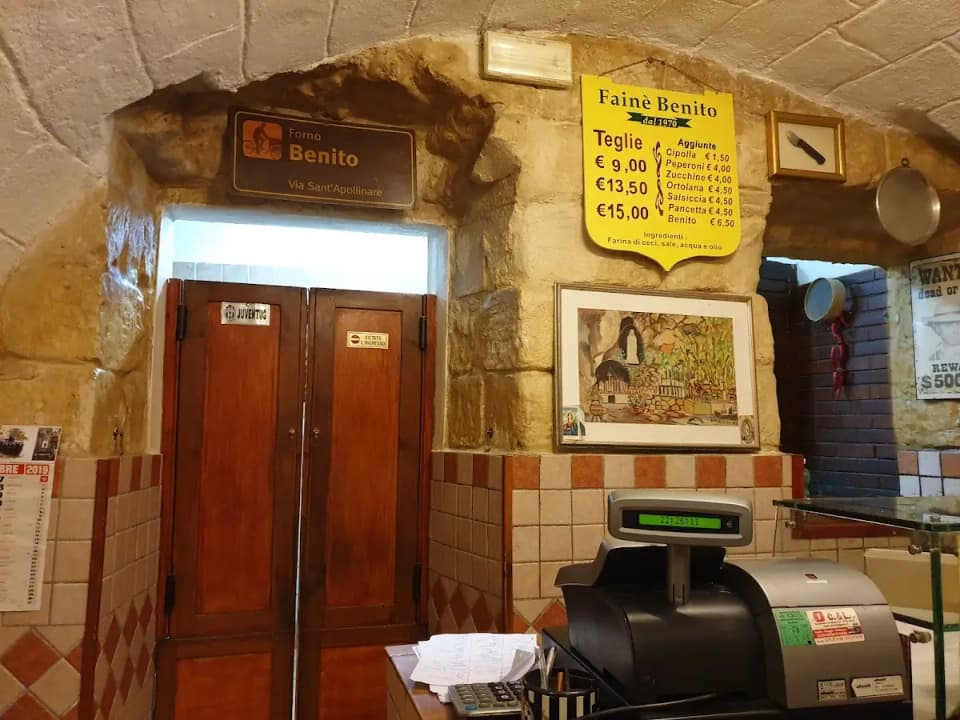
The name Benito takes us to Via Sant’Apollinare and the story of Benito Demontis. In the family account published by La Nuova Sardegna in 2021, the business is said to have started in 1970.

His wife Vincenza Dettori worked alongside him. Their daughter Rossana remembers the experiments they did together to perfect the preparation, before their children later joined the trade.

Benito’s fainè in Sassari

Benito’s death in 2021 did not mark the end of the bakery’s story: an article from that year had already documented its continuation under his son Mauro. This is an important distinction when remembering these businesses, where the founder’s name can continue to identify the family’s work.

Tzizzu and Valentino Pira in the story of fainè

The history of Sassari’s bakeries also includes Francesco Pira, known as Tzizzu, and his brother Valentino. In an interview published by La Nuova Sardegna in 2017, Tzizzu dates the start of their work at an oven on Via Usai to 1943.

His memories evoke a trade shaped by mixtures, tins left to cool and changing seasons: he says that in summer the shop sold ice cream, returning to fainè when the weather turned cold.

The 2021 account of the Marongiu bakery also mentions Valentino’s shop at Porta Macello, next to the Civic Market. These names broaden the historical geography of fainè beyond the addresses most often mentioned today.

Ferraro: the pizzeria before Giamaranto

Among the businesses of the past was Ferraro pizzeria, at Viale Dante, on the corner with Via Torres, which later became home to Giamaranto.

Gianni and Amedeo Deiana

The pizzeria is recalled in the story of brothers Gianni and Amedeo Deiana, published by La Nuova Sardegna in 2018 to mark the thirty-fifth anniversary of their restaurant. The two opened Giamaranto on November 28, 1983, in the space that had housed the pizzeria.

Ferraro is thus part of the history of an address that changed its sign and its offering. Remembering it also means looking back at businesses that came before the places that later became better known.

Bruno’s first place, in the Sassari of the old pizzerias

Another vanished location is the first pizzeria of Sabino Giordano, known as Bruno, on Via Decimario, near the Cathedral of San Nicola.

In a February 2025 interview, Bruno says he opened it in 1968. That pizzeria closed before he moved to Corso Vittorio Emanuele, where he opened his second location in the city in 1972.

The story continues with other moves in the historic center. The old location on Via Decimario remains a chapter in that story: remembering it means including the places where a trade began, before the owner’s name became associated with other addresses.

A city to rediscover through its flavors, too

These stories follow different paths: Renato’s panino, Cocco’s pizzette, the fainè ovens, and the pizzerias that made way for something else. Together, they tell of the city’s encounters, work and everyday habits.

To continue the culinary journey, the guide to Sassari’s traditional dishes introduces other local specialties. If you’re planning to visit businesses that are still operating, it’s worth checking opening hours and availability directly, especially for a traditionally seasonal dish such as fainè.

Attività consigliate

Panini, pizzette and fainè: the flavors that raised Sassari