

Neighbourhood retail in Sardinia continues to lose ground. In the first six months of 2026, the number of small businesses on the island fell from 23,915 to 23,622, a decrease of 293 businesses.
This means, on average, more than one and a half fewer shops every day, a pace approaching two closures a day and fuelling concerns among trade associations.
However, the phenomenon did not begin today. Confcommercio Nord Sardegna has highlighted that over the course of ten years the island has lost about one in six commercial businesses, while retail alone has contracted by more than 20%.
Historic town centres becoming increasingly fragile
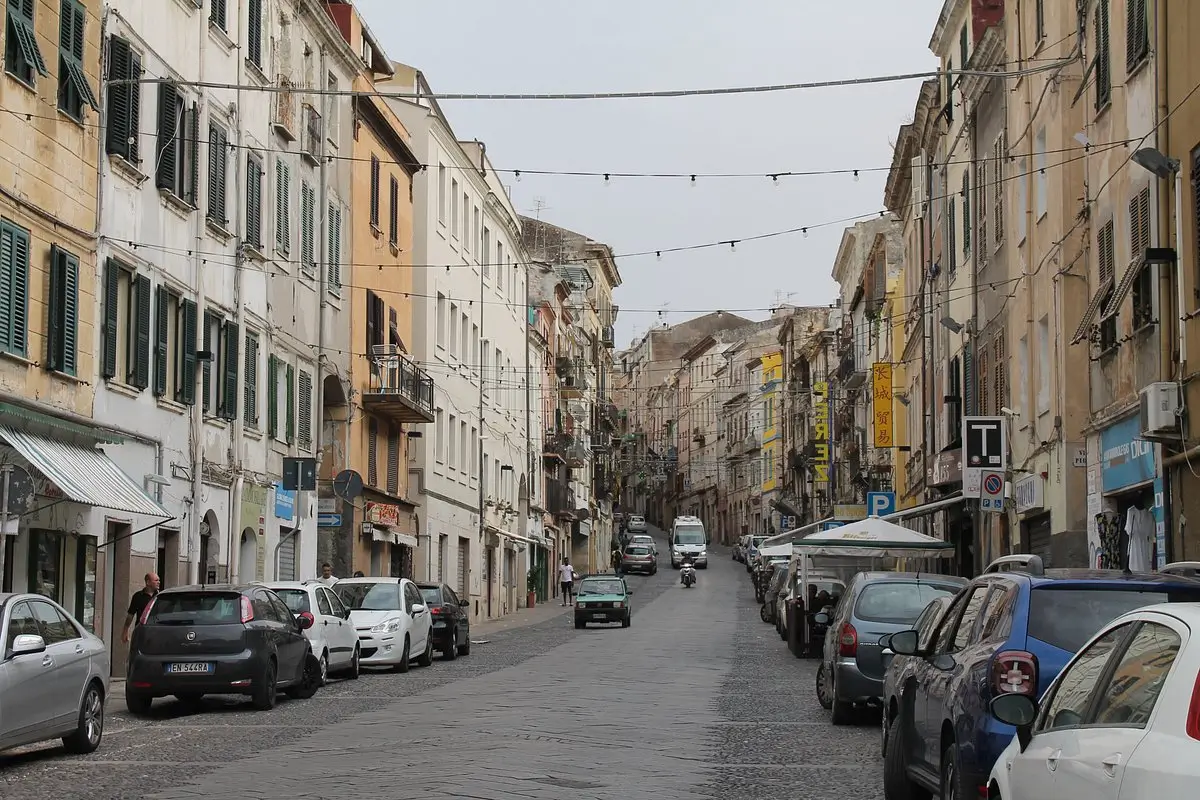
Those suffering most are above all neighbourhood shops and traditional businesses in historic town centres.
According to Confcommercio, over the past thirteen years food shops, clothing stores, newsstands, hardware stores and other local businesses in Sardinian historic town centres have decreased overall by around 13%.
This transformation does not concern the economy alone. When a neighbourhood business closes, services, a presence in the area and opportunities for social interaction also disappear, with the risk of creating streets that are visited less and less and a growing number of vacant premises.
The issue is also closely relevant to Sassari, where the restoration of public spaces and the vitality of the historic town centre have long been at the heart of the local debate. A recent example is the redevelopment of Piazza San Donato, specifically designed to restore vitality and community spaces to one of the most delicate areas of the old city.
E-commerce and large-scale retail are changing the market
There is no single cause behind the crisis.
Trade associations identify among the main factors the growth in online shopping, the weight of large-scale retail, rising costs for businesses and changing consumer habits.
National data released by Confesercenti clearly show this transformation: in June 2026, online sales recorded year-on-year growth of 26.7% in value, while large-scale retail increased by 1.8%. Competition is therefore becoming increasingly difficult for small businesses.
At the same time, the face of cities is also changing. In historic town centres, many traditional commercial businesses are declining, while the importance of catering, hospitality and tourism-related services is growing.
The risk of commercial desertification
Confcommercio and Confesercenti are calling for measures capable of supporting, above all, businesses located in small municipalities and more vulnerable urban areas.
The proposals include tax incentives, tools to encourage generational turnover, support for existing businesses and initiatives to restore vacant commercial premises.
The problem, in fact, goes beyond the simple number of shutters pulled down. The progressive disappearance of neighbourhood shops risks turning into genuine commercial desertification, affecting the liveability of historic town centres and the social cohesion of communities.
For Sardinia, the challenge will therefore be to find a balance between new consumption models and protecting neighbourhood retail, before the loss of businesses becomes even more difficult to reverse.